
 Prevention
Colon and rectal cancer: how to detect it early
Screening does not mean waiting for symptoms. It considers individual risk and uses tests that can find polyps or cancer before symptoms appear.
 Dr. Eduardo Navarro LaraRead article
Clear information for your colorectal health
Find answers about symptoms, prevention and care options. This content offers guidance; a consultation addresses your individual situation.
PreventionScreening does not mean waiting for symptoms. It considers individual risk and uses tests that can find polyps or cancer before symptoms appear.
Dr. Eduardo Navarro LaraRead article Patient library
Information on symptoms, prevention and treatment decisions, without replacing a consultation.
 Hemorrhoids
Prevention focuses on keeping stools soft, reducing straining and spending less time on the toilet.
Dr. Eduardo Navarro LaraRead article  Hemorrhoids
Not all hemorrhoids need surgery. But if prolapse, an external component or symptoms persist despite treatment, continuing to postpone assessment does not help either.
Dr. Eduardo Navarro LaraRead article 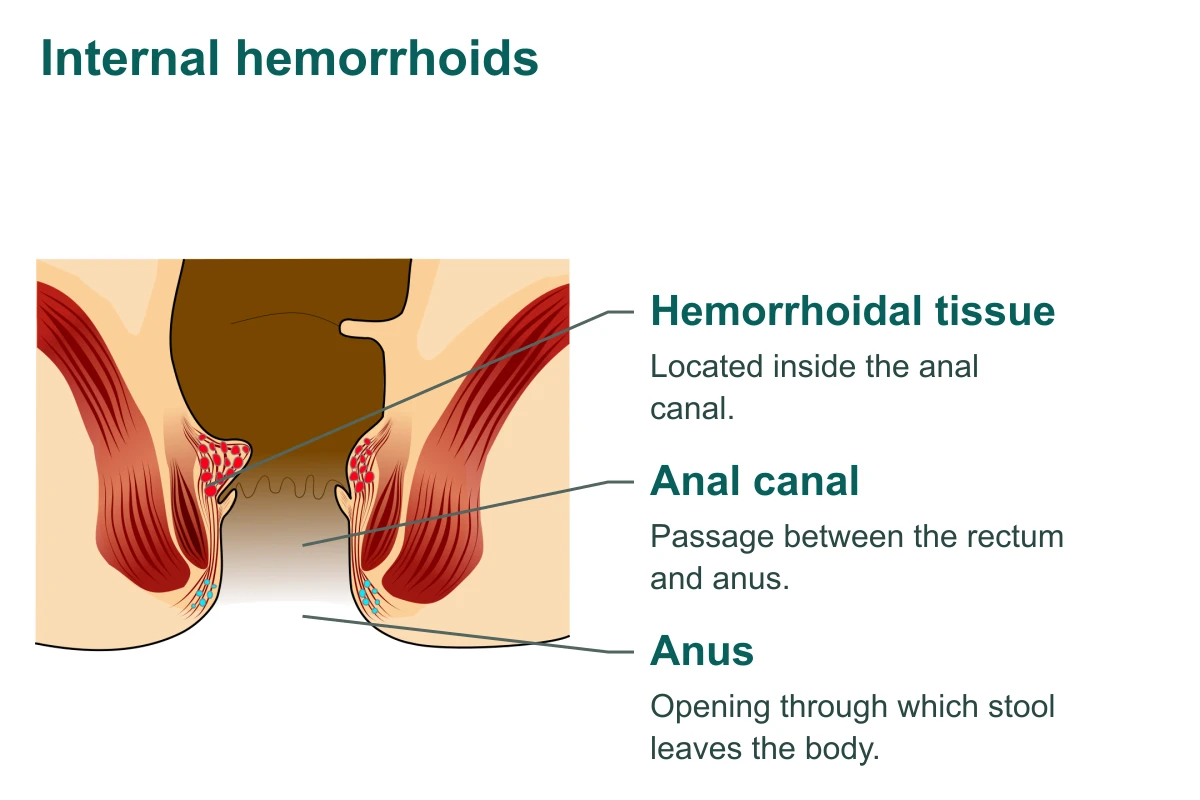 Hemorrhoids
Being in your twenties or thirties does not rule out hemorrhoidal disease. Age offers context, but your symptoms, their duration and your bowel habits matter more.
Dr. Eduardo Navarro LaraRead article  Colorectal health
Laser can make recovery easier after selected procedures, but choosing the right indication matters as much as the technology.
Dr. Eduardo Navarro LaraRead article 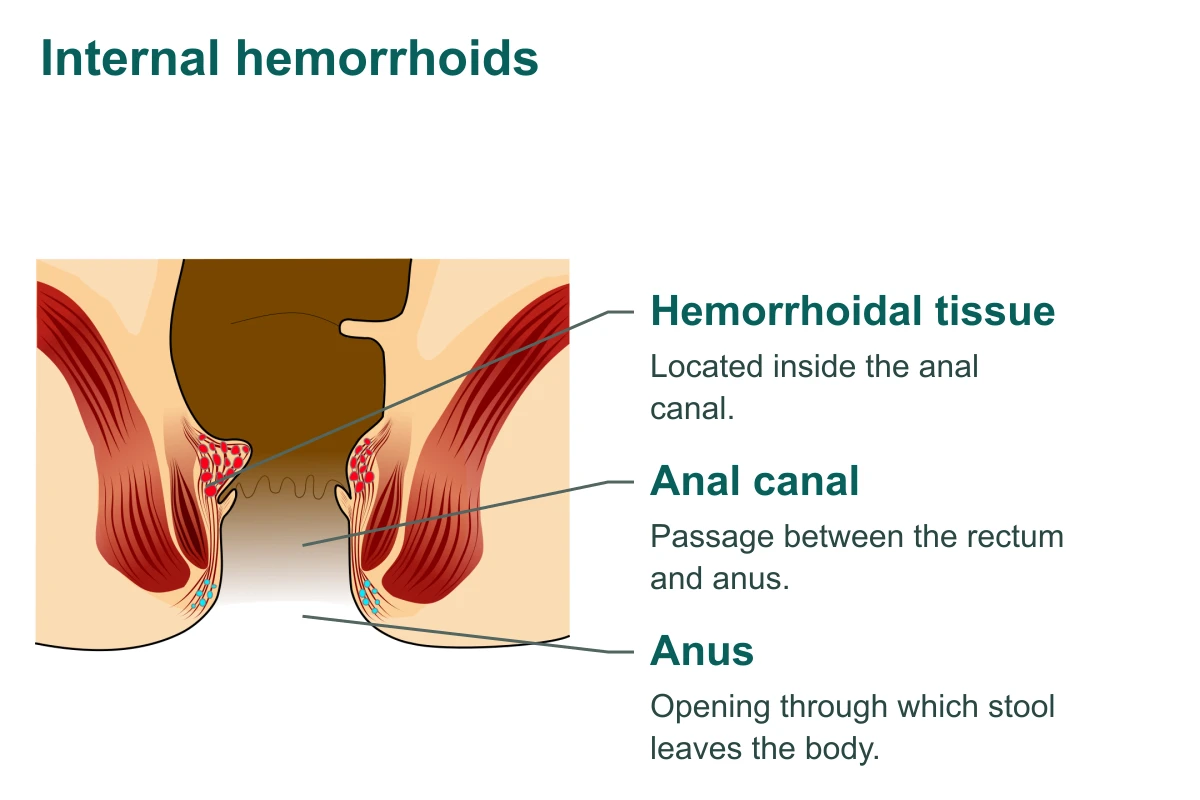 Hemorrhoids
 are common, but symptoms and treatments are often misunderstood. Separating myths from facts helps you act sooner and make better-informed decisions.
Dr. Eduardo Navarro LaraRead article 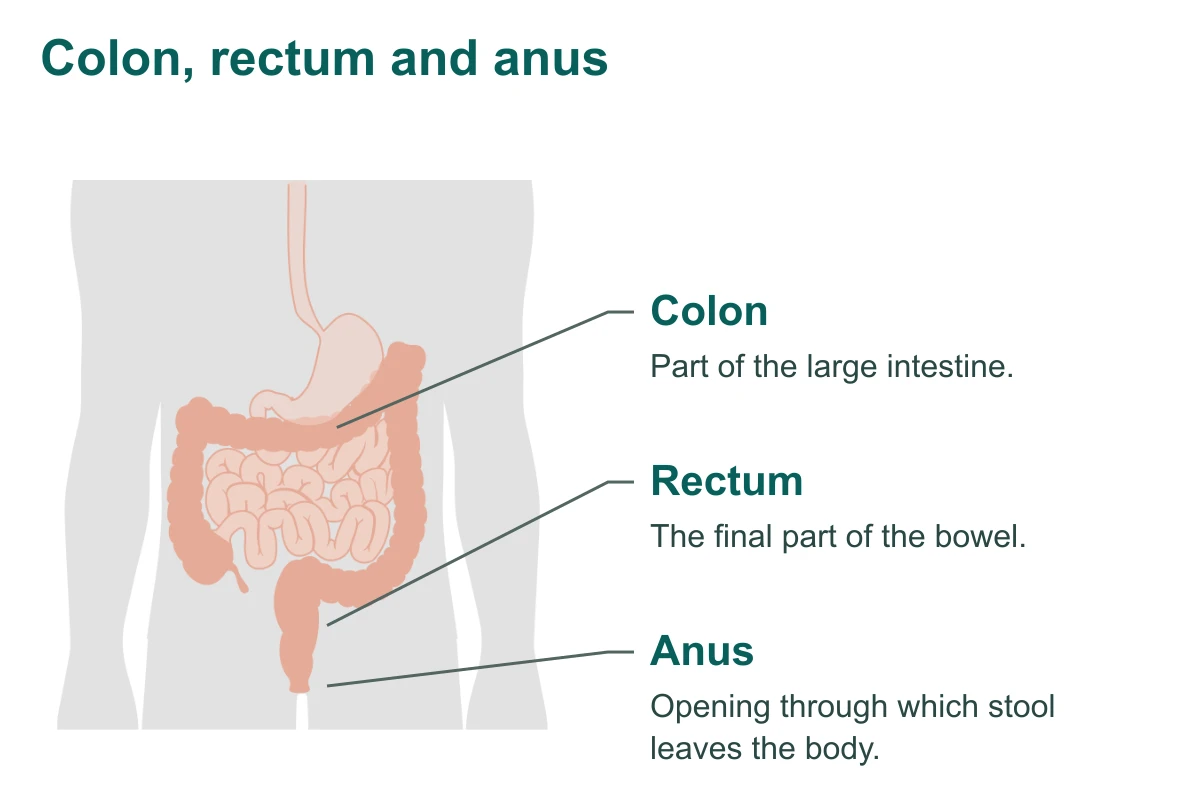 Prevention
Diagnoses before age 50 have increased in several countries. The trend is real, but no single cause explains every case.
Dr. Eduardo Navarro LaraRead article 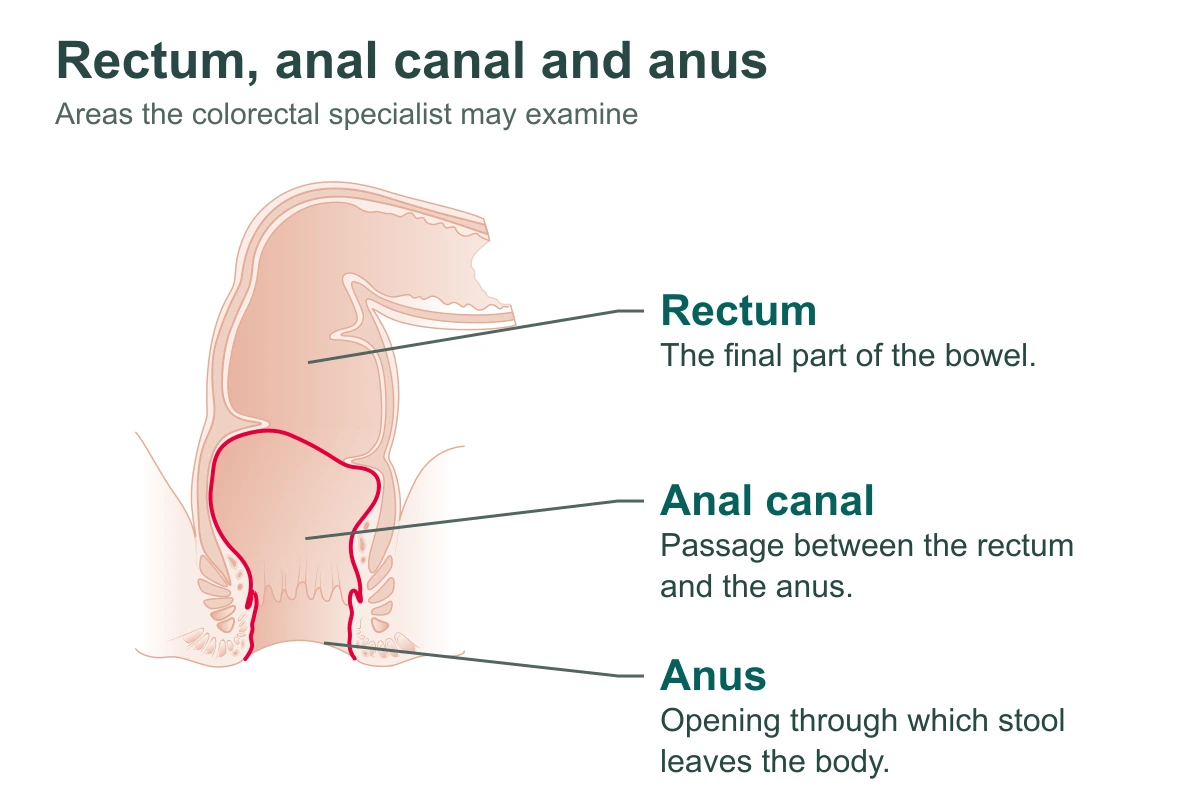 Anal symptoms
You do not need to wait until symptoms are severe or know whether the cause is hemorrhoids, a fissure or something else. If an anal or bowel symptom recurs, persists or changes, an assessment helps replace guesswork with a decision about care.
Dr. Eduardo Navarro LaraRead article 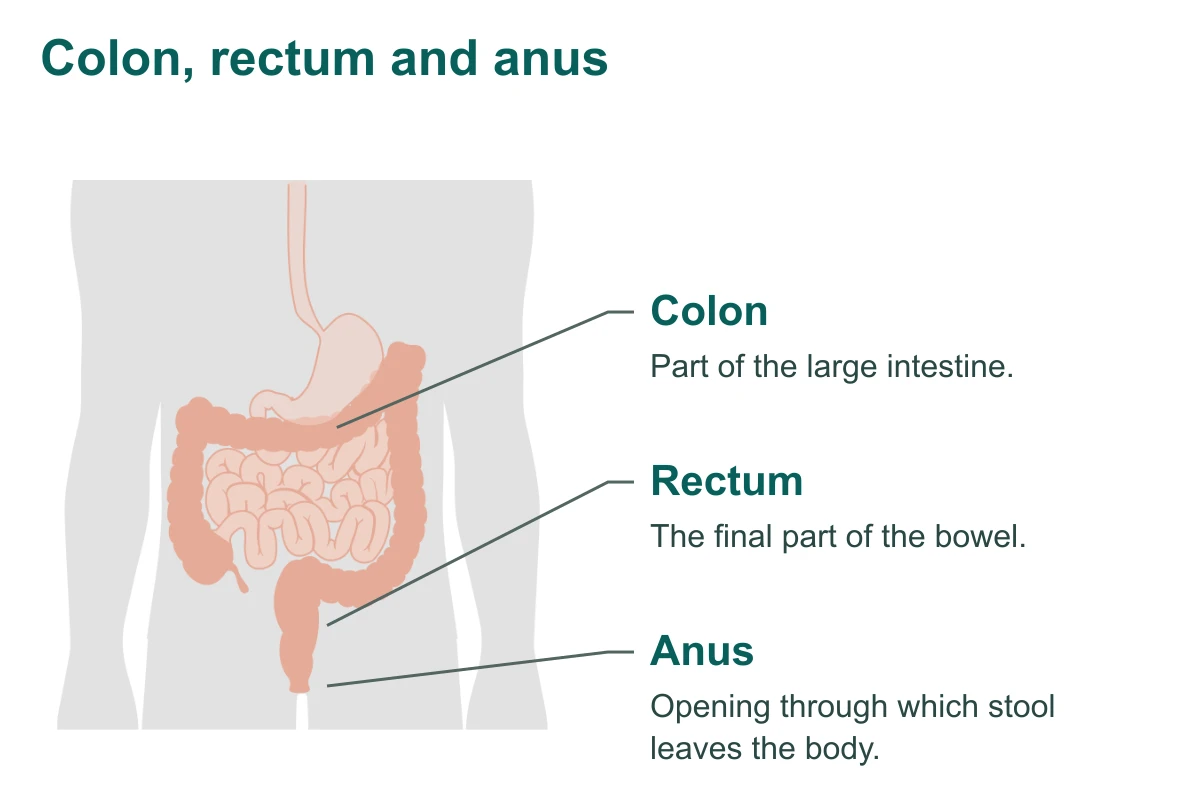 Colorectal health
If you have bleeding, pain, a lump, bowel changes or a known colon or rectal condition, this specialist can identify the problem and guide treatment, from medical care to surgery when needed.
Dr. Eduardo Navarro LaraRead article 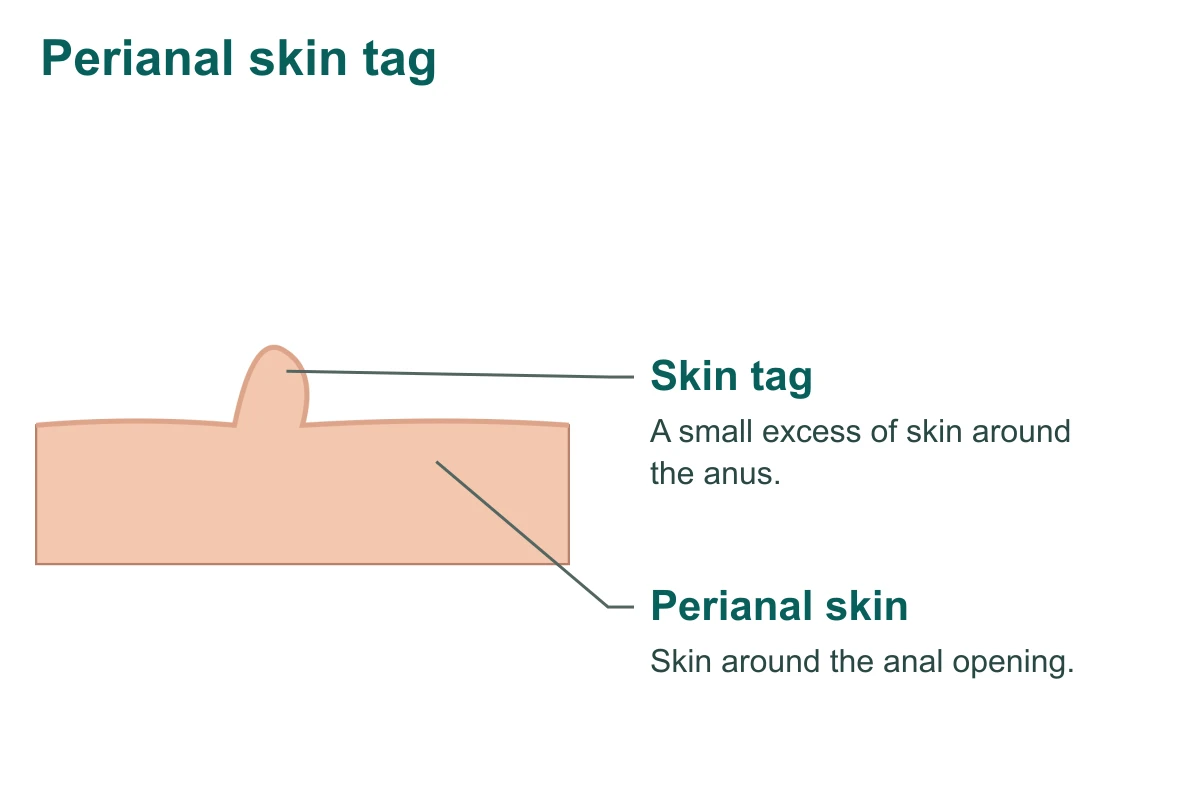 Anal symptoms
A soft skin fold or lump at the anal edge may be a skin tag. Recognizing it can prevent continued hemorrhoid treatment for something that may no longer be a hemorrhoid.
Dr. Eduardo Navarro LaraRead article 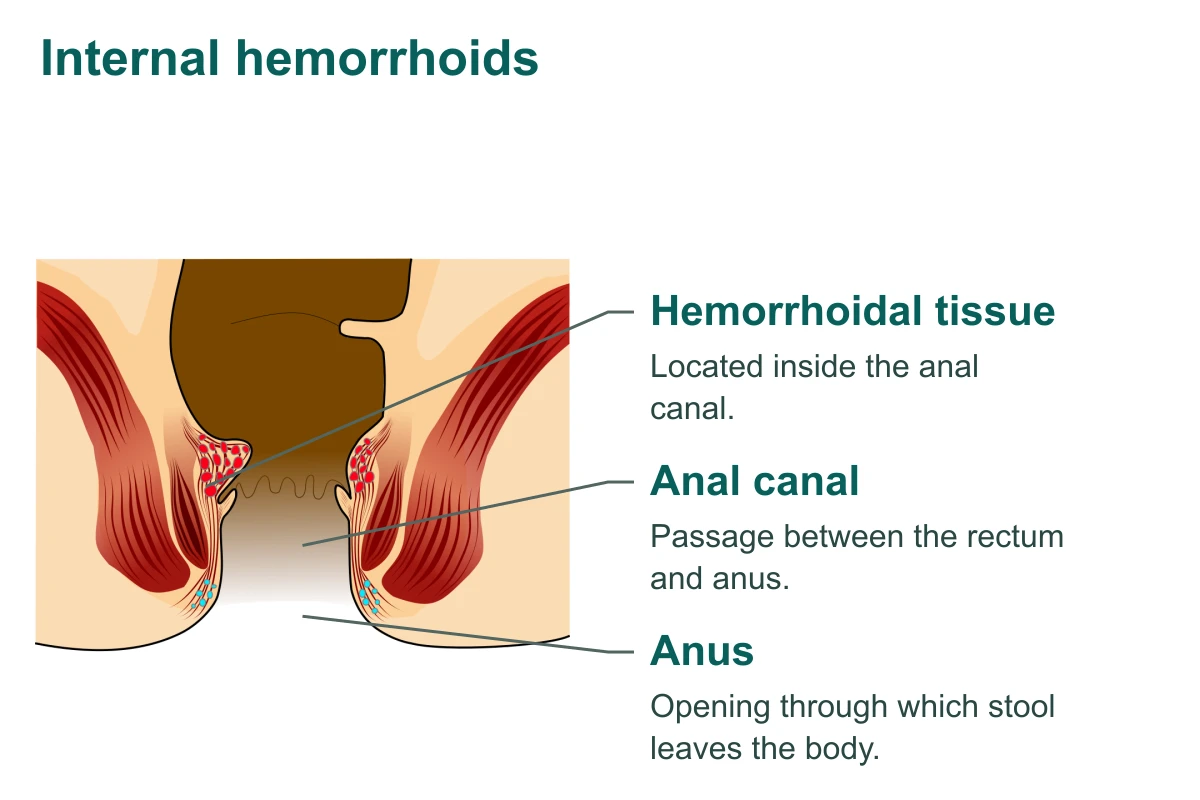 Hemorrhoids
Constipation and pressure during pregnancy can contribute to hemorrhoids. Improving bowel habits is often the first step in prevention or symptom relief.
Dr. Eduardo Navarro LaraRead article 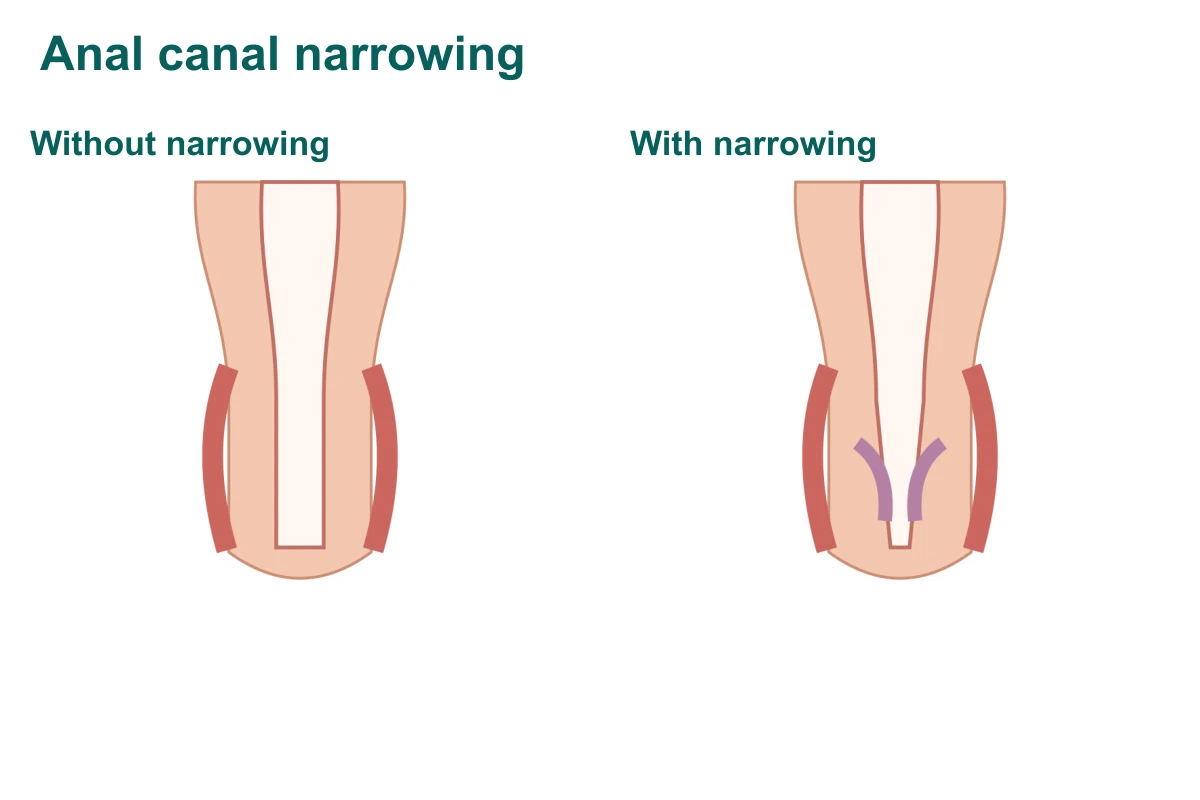 Anal symptoms
True narrowing of the anal canal can make bowel movements harder or painful and cause a feeling of obstruction. Whether scarring is present and its extent can completely change treatment.
Dr. Eduardo Navarro LaraRead article 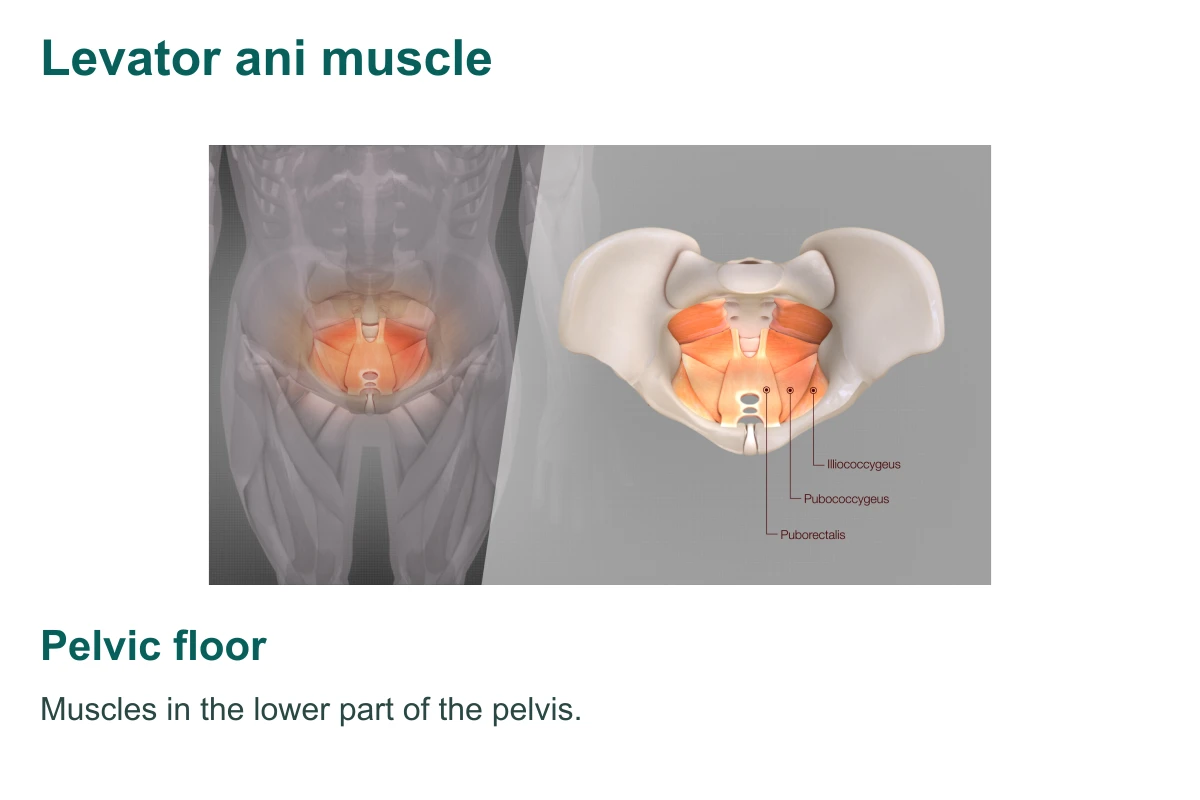 Anal symptoms
Lasting deep pain or pressure that worsens when sitting may arise from the pelvic floor. Recognizing the pattern helps avoid treating it as hemorrhoids, a fissure or another unrelated problem.
Dr. Eduardo Navarro LaraRead article 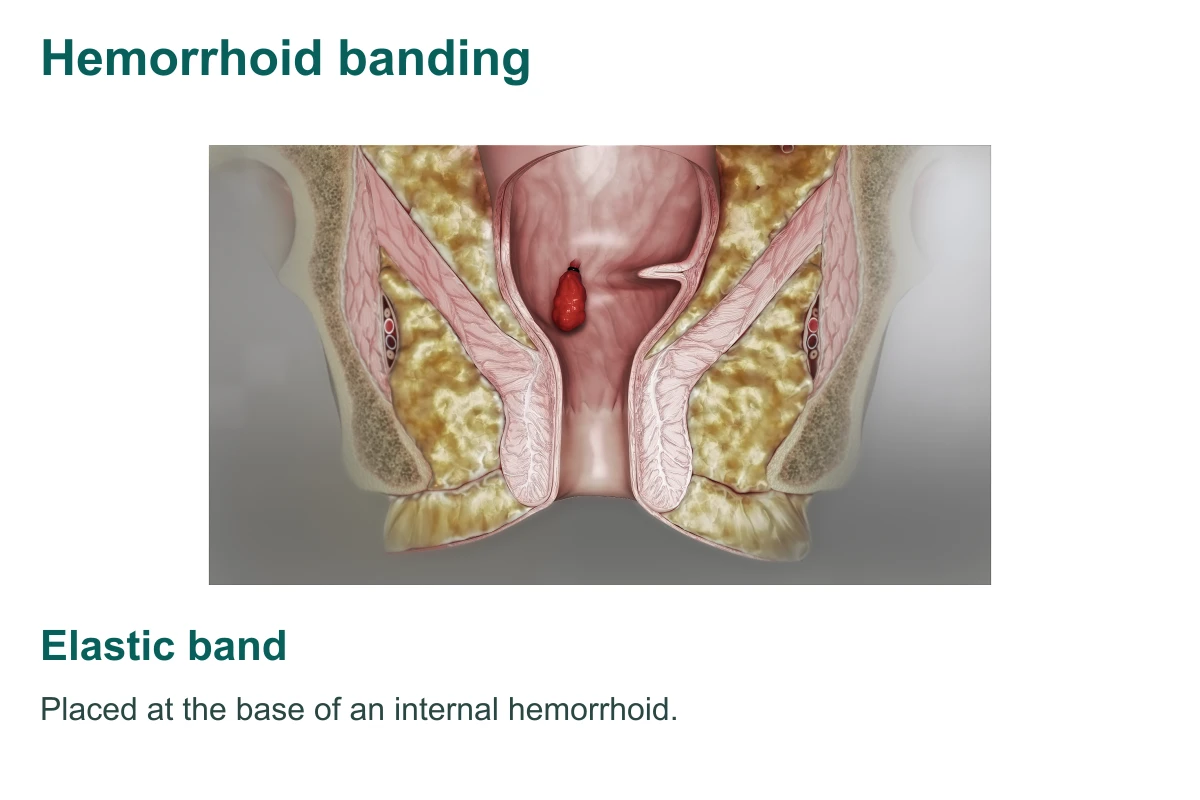 Hemorrhoids
Rubber band ligation treats bleeding or prolapsing internal hemorrhoids without removing external tissue. The type of hemorrhoid determines whether this option makes sense.
Dr. Eduardo Navarro LaraRead article 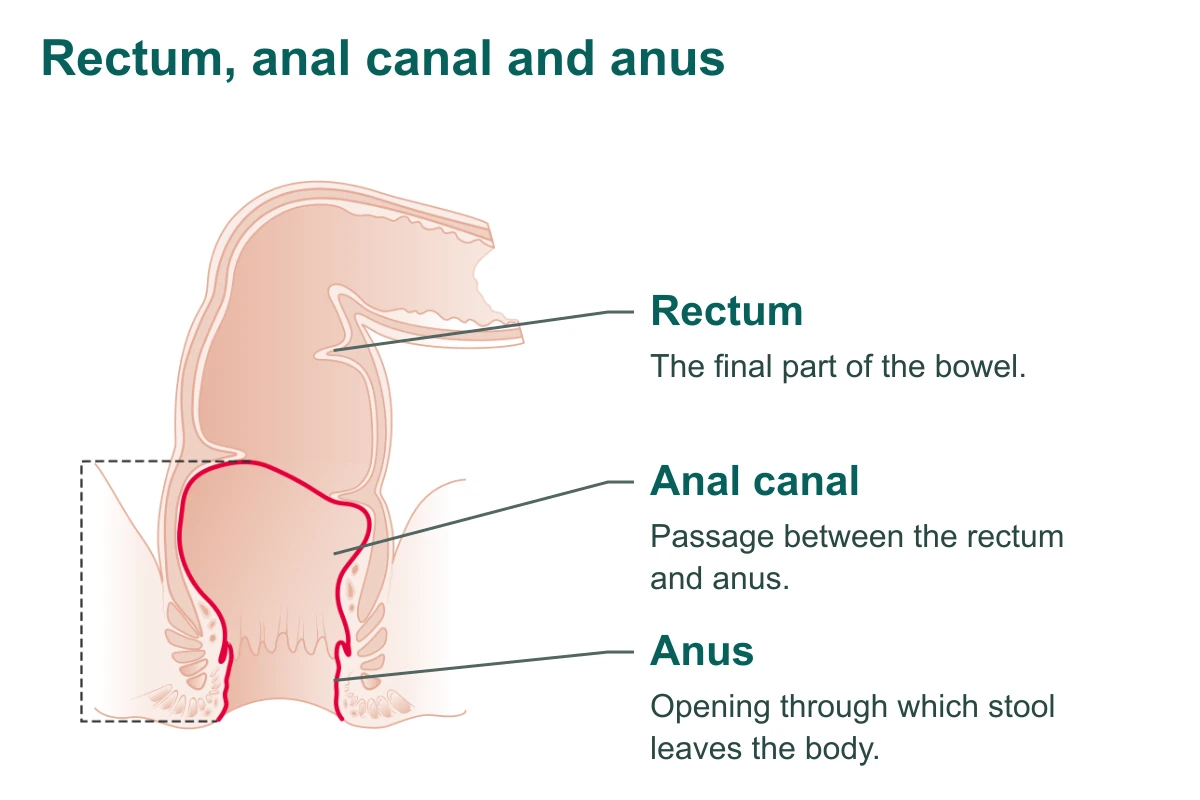 Anal symptoms
When itching keeps returning, extra cleaning or trying multiple creams can make the skin worse. Finding what keeps it going allows treatment of the cause rather than further irritation.
Dr. Eduardo Navarro LaraRead article 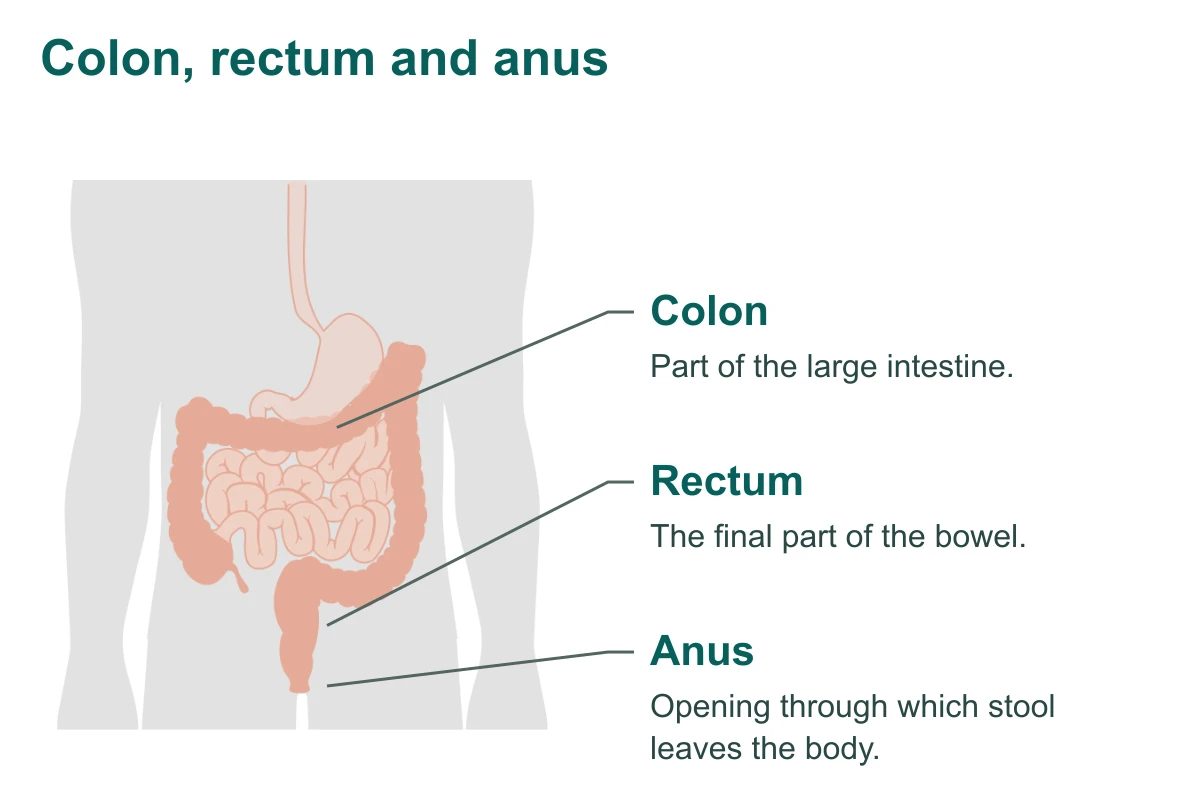 Colorectal health
Recurring abdominal pain with diarrhea, constipation or changes in bowel movements may follow an irritable bowel pattern. Recognizing it and knowing when to investigate another cause are key.
Dr. Eduardo Navarro LaraRead article 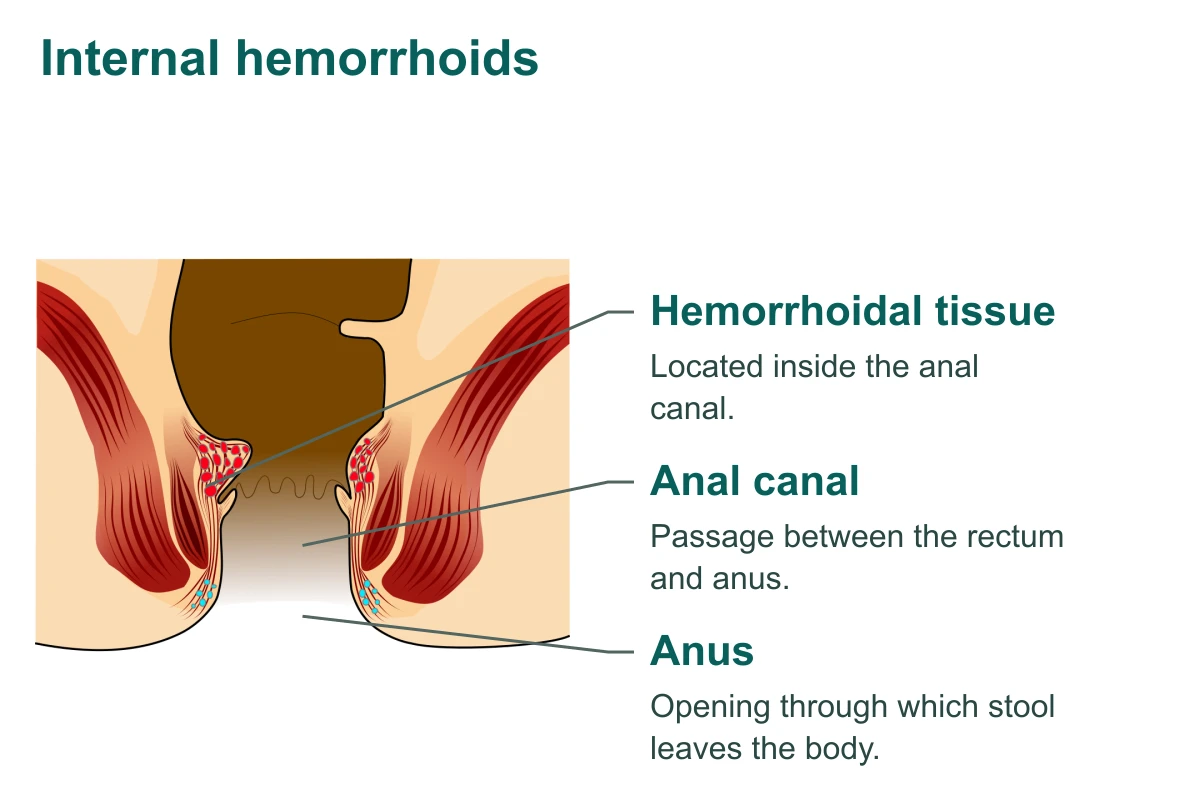 Hemorrhoids
While awaiting your consultation, the aim is straightforward: less straining, less irritation and recognizing changes that need earlier attention.
Dr. Eduardo Navarro LaraRead article 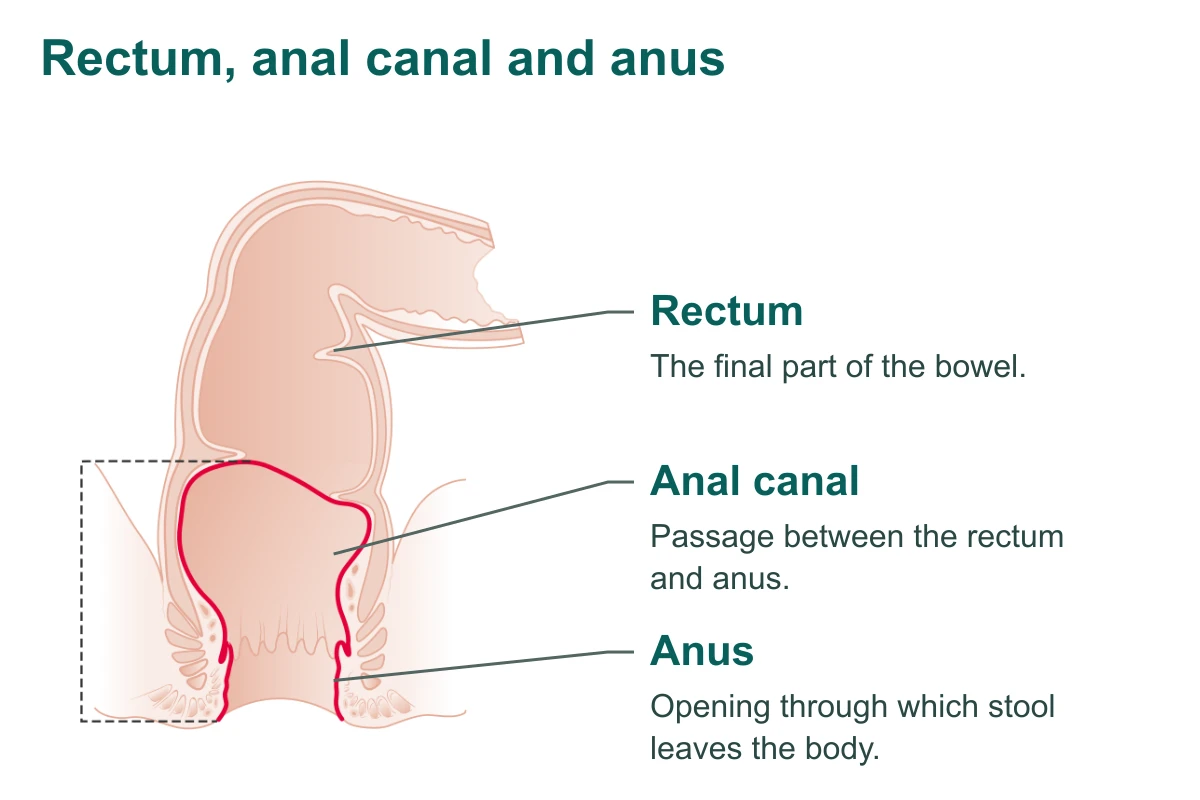 Colorectal health
Embarrassment, fear of a painful examination or believing that seeing a surgeon means having surgery can delay an assessment that could clarify the problem.
Dr. Eduardo Navarro LaraRead article There are no articles in this category.