Initial guidance
Key points
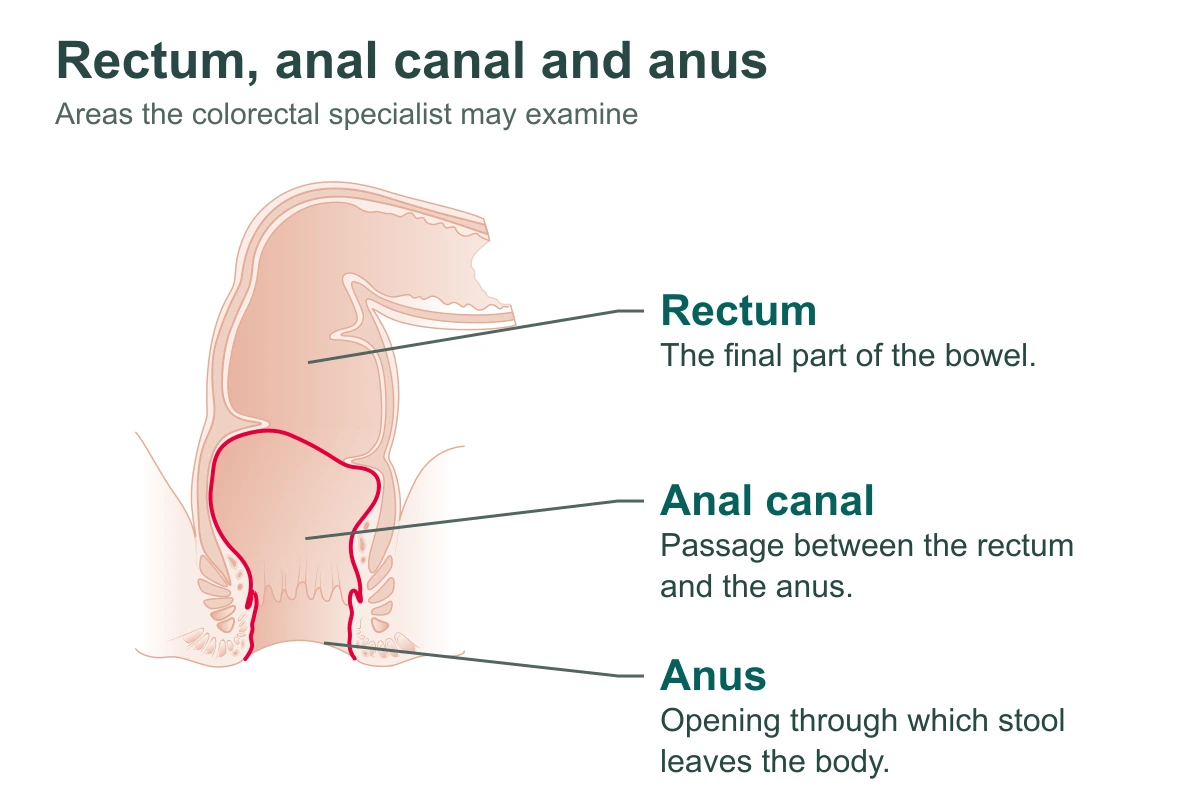
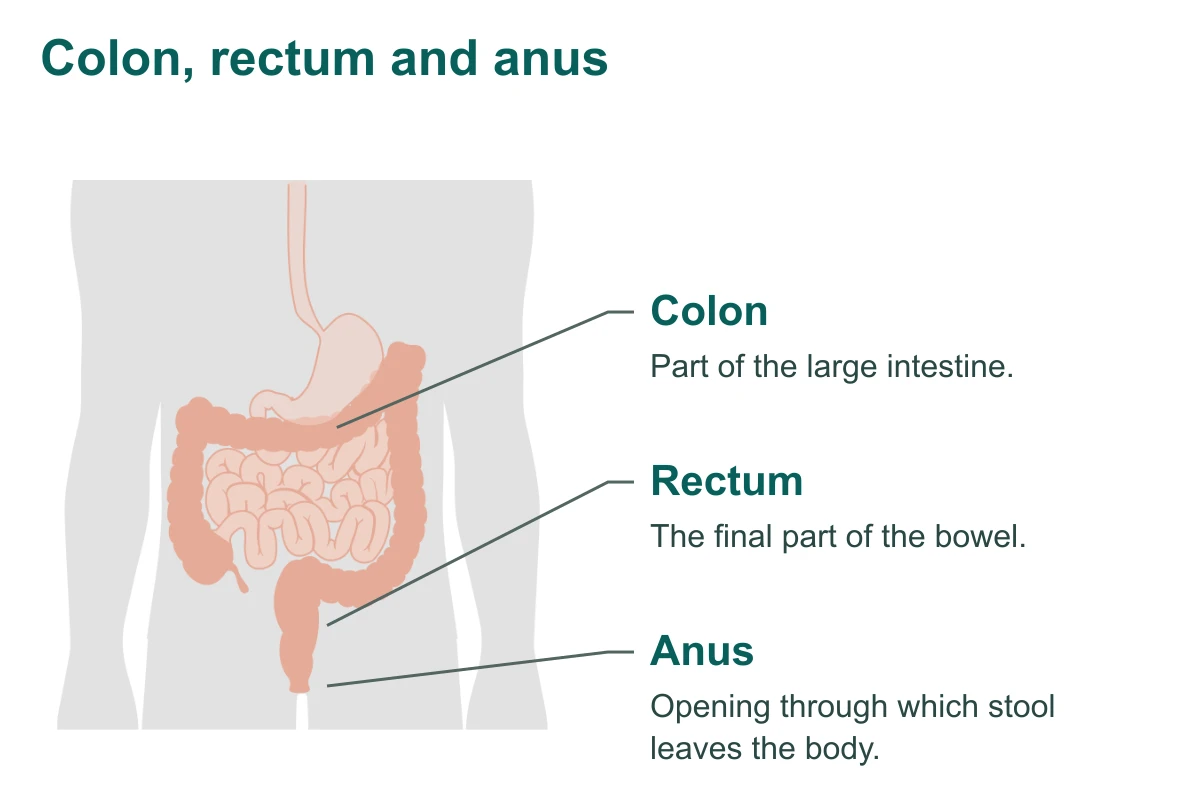
A colorectal surgeon is a medical and surgical specialist in diseases of the colon, rectum and anus. They treat benign conditions and colorectal cancer using medical treatment, procedures, tests and surgery where appropriate.
Problems a colorectal surgeon treats
Consultation may begin with a known diagnosis or simply a symptom. Bleeding, anal pain, persistent itching, a lump, discharge, difficult bowel movements, constipation, prolapse or difficulty controlling gas or stool are among the problems assessed.
Conditions treated include hemorrhoids, anal fissures, fistulas and abscesses, pilonidal disease, rectal prolapse, fecal incontinence, polyps, diverticular disease and colon and rectal cancer. Hospital General de México defines Coloproctología as the specialty that studies, diagnoses and treats diseases of the colon, rectum and anus.
More than a hemorrhoid doctor
Hemorrhoids are a familiar reason to consult, but the specialty is broader. Colorectal surgeons also manage functional, inflammatory, infectious and tumor-related conditions in this region, alongside follow-up and treatment of various colorectal problems.
This scope matters because similar symptoms can have different causes. A lump is not always a hemorrhoid; pain may arise from a fissure, abscess or another problem; bleeding needs context before treatment is chosen.
Do proctologist and colorectal surgeon mean the same thing?
In everyday Mexican Spanish, proctólogo commonly refers to this specialist. Coloproctología makes the full scope clearer: colon, rectum and anus. In Mexico, CONACEM formally recognizes Coloproctología and the Consejo Mexicano de Especialistas en Coloproctología in its medical specialty board directory.
What may happen during an assessment
Consultation begins with your symptoms, history and an examination focused on your concern. This guides whether medical care is enough, a procedure may help or further investigation is needed.
Depending on the situation, assessment may use anoscopy, sigmoidoscopy, colonoscopy or endoanal ultrasound. These are not compulsory tests for everyone: each answers a different clinical question. Colorectal surgical training includes both nonsurgical and surgical treatment.
When this specialty provides a direct route to care
For anal or rectal problems, an existing colorectal diagnosis, unresolved symptoms after treatment or consideration of a procedure in this area, consulting a colorectal specialist directly may avoid unnecessary steps.
With Dr. Eduardo Navarro, you can start with a symptom rather than knowing whether you have hemorrhoids, a fissure, a fistula or something else. Assessment identifies the problem and establishes the next step from the findings.
Clinical sources
Clinical sources consulted
This guide draws on information from medical and public health institutions to help you understand the topic.
- Hospital General de MéxicoColorectal Surgery ServiceView source
- Hospital General de MéxicoOrganization Manual of the Colorectal Surgery Service (2026)View source
- ASCRSwhat a colon and rectal surgeon doesView source
- CONACEMmedical specialty board directoryView source
This content is informational and does not replace a medical assessment.