Initial guidance
Key points
Anal itching, or pruritus ani, may result from moisture, traces of stool, diarrhea, excessive cleaning, irritating soaps or wipes, hemorrhoids, discharge, infections, warts or skin conditions. Sometimes no single cause is found. Persistent itching, bleeding, pain, discharge, a lesion or stool leakage warrants examination to find the cause.
Sometimes the problem starts with moisture or excessive cleaning
The skin around the anus is sensitive. Repeated contact with moisture, small amounts of stool or frequent bowel movements can irritate it. Conversely, excessive rubbing, scented soaps or repeated wiping can also damage the skin barrier.
This can start a difficult cycle: itching leads to scratching or more cleaning, the skin becomes inflamed and then itches even more. Breaking this cycle is part of treatment, even if a specific cause is later identified.
Itching can also be a sign of another anorectal or skin condition
Hemorrhoids with moisture or discharge, a draining fistula, anal warts and some infections can cause itching. Contact dermatitis, psoriasis and other skin diseases can also affect the area around the anus.
Persistent itching should therefore not be treated on the assumption that it is always hemorrhoids, a fungal infection or poor hygiene. Treatment depends on the findings.
What you can do to protect the skin
Without a diagnosis, simplifying care is often more useful than adding products. The aim is to reduce moisture, friction and irritants while watching for improvement.
- Wash gently with warm water and pat dry without rubbing.
- Avoid scented soaps, fragrances and wipes that cause burning or increased itching.
- Keep the area dry and wear breathable underwear.
- Avoid scratching; it sustains inflammation even if it provides a few seconds of relief.
- If you are already using several creams and the area is worsening, tell the doctor rather than adding more products.
When itching persists, examination can change treatment
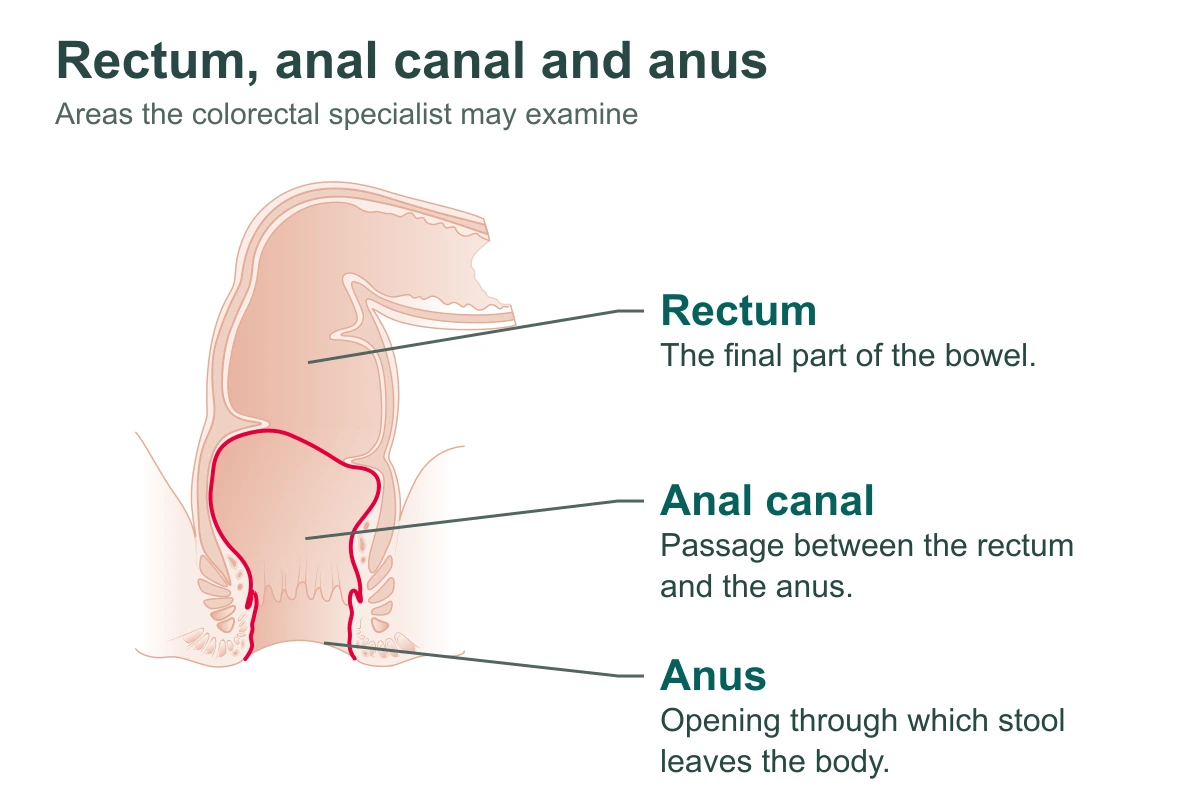
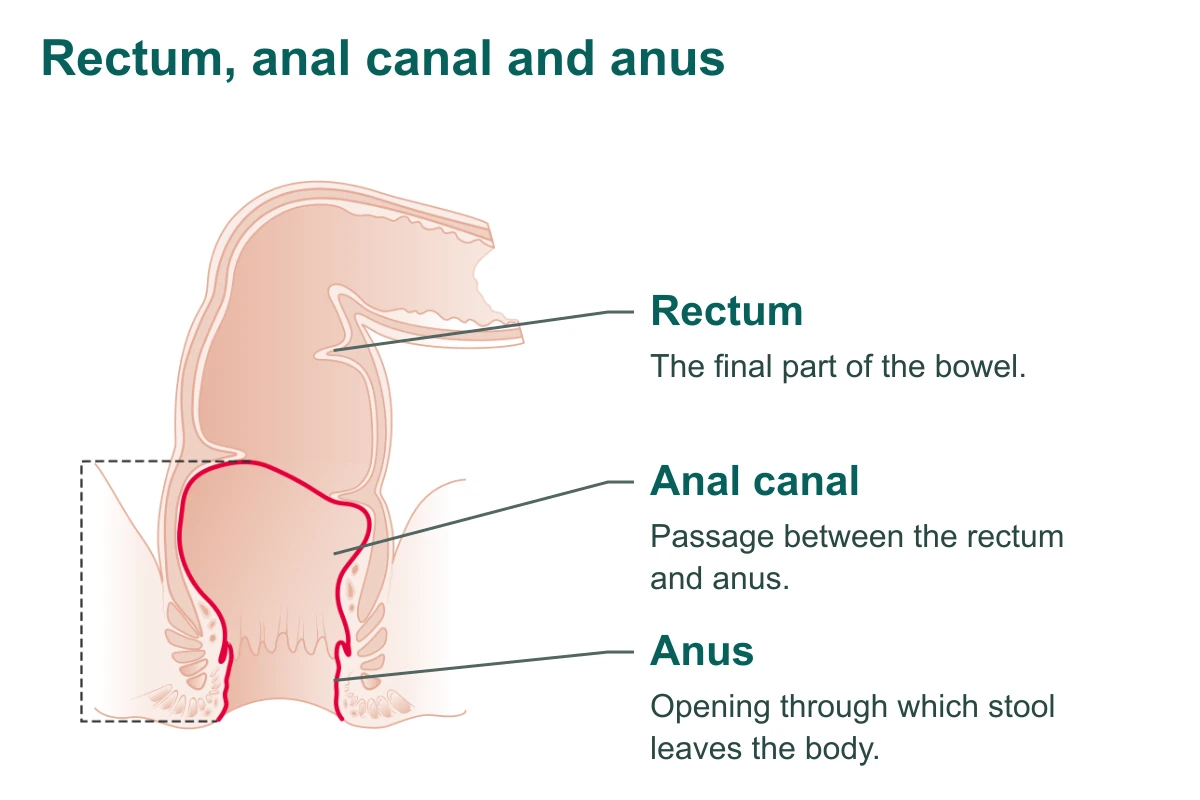
An assessment examines the perianal skin for signs of irritation, hemorrhoids, fissures, discharge, fistulas, warts or another lesion. Depending on the findings, examination of the anal canal may include anoscopy or other targeted tests.
IMSS clinical treatment algorithms include anal itching among proctological symptoms that warrant an anorectal examination. The purpose is practical: stop treating itching as a single disease and address the cause found.
When is it worth scheduling an assessment?
Occasional itching that improves after removing irritants and keeping the area dry may resolve with simple measures. A consultation becomes more valuable when symptoms persist, return frequently or affect sleep, hygiene or everyday activities.
- There is bleeding, pain, discharge or persistent moisture.
- You notice a lump, wart, wound, color change or a lesion that does not go away.
- There is stool leakage or difficulty keeping the area clean and dry.
- Itching is intense at night or there are signs that require investigation for infection.
- You have tried different products, but irritation continues or worsens.
The consultation looks for the cause, not just relief from itching
Dr. Eduardo Navarro treats anorectal symptoms such as itching and discomfort around the anus. Assessment identifies what is irritating the area and whether it can be managed with changes in local care, treatment of an anorectal condition or investigation of another cause.
If you have spent days or weeks changing soaps, wipes or creams without knowing the cause, a focused examination can help stop the irritation cycle from prolonging symptoms.
Clinical sources
Clinical sources consulted
This guide draws on information from medical and public health institutions to help you understand the topic.
- ASCRSpruritus ani: causes, assessment and careView source
- 2024 reviewcauses and treatment of pruritus aniView source
- Merck Manual Professionalpruritus ani: assessment and treatment (2025)View source
- IMSSclinical treatment algorithms and examination for proctological symptomsView source
This content is informational and does not replace a medical assessment.