Initial guidance
Key points
During pregnancy, prioritize soft stools and less straining: adequate fiber and fluids, regular movement if your obstetrician permits, and avoiding prolonged straining on the toilet. For existing pain, itching, swelling or bleeding, local measures such as cold applications or warm baths may help. Choose medicines, creams, suppositories or laxatives with your obstetrician.
Why are hemorrhoids more common during pregnancy?
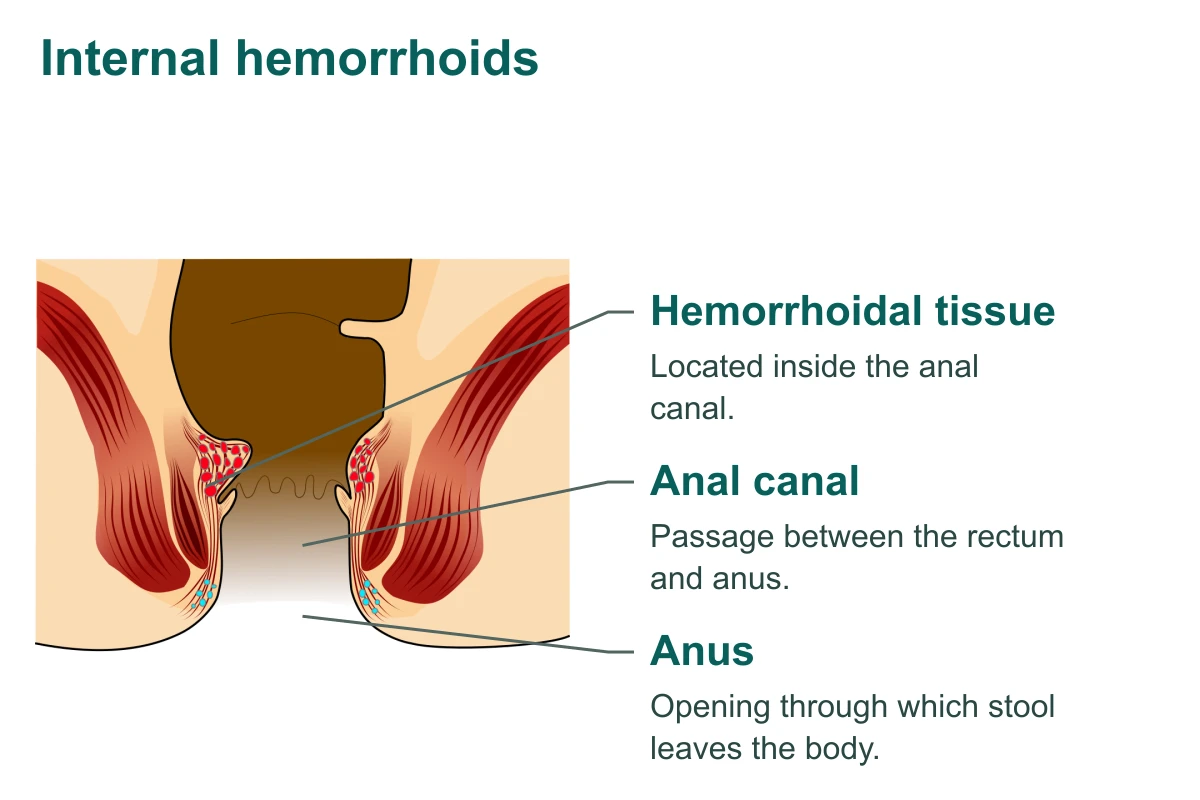
Pregnancy combines factors that increase anal pressure. The growing uterus puts more pressure on the pelvis, hormonal changes favor constipation, and straining adds further pressure to hemorrhoidal tissue.
Hemorrhoids may first appear or worsen around childbirth. In many women this is not permanent: discomfort gradually decreases after delivery.
Preventing constipation also protects the anal area
The most useful approach starts before applying cream: make bowel movements easier. ACOG recommends fiber-rich foods and enough fluids to reduce constipation; IMSS also prioritizes fiber and hydration for constipation during pregnancy.
- Regularly include fruit, vegetables, legumes and whole grains for fiber.
- Increase fiber gradually and drink enough water alongside it.
- Go when you feel the urge and avoid prolonged straining.
- Maintain pregnancy-appropriate activity if your obstetrician has cleared you to exercise.
- Avoid spending too long sitting on the toilet.
If symptoms are present, start by reducing pressure and irritation
For pain, itching or swelling, ACOG includes simple measures such as local cold applications and sitting in warm water. These aim to relieve symptoms while constipation and straining are addressed.
You do not need to try several products at once. If simple measures are insufficient, your obstetrician can help choose an appropriate medicine, cream, suppository or laxative for pregnancy.
Severe pain or a very tender lump warrants assessment
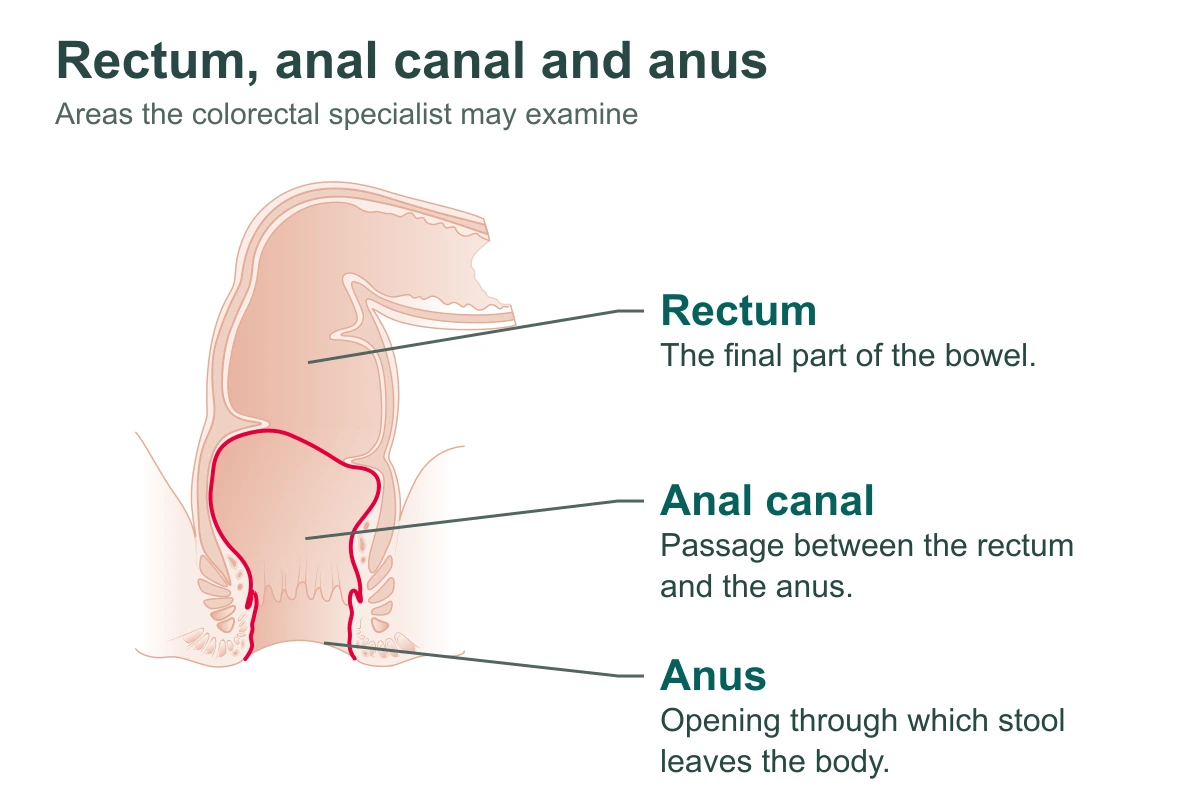
A sudden, very painful anal mass may be perianal thrombosis or another anorectal problem. Examination distinguishes it from prolapsed internal hemorrhoids, fissures and other causes, guiding conservative care or another treatment.
Most of these problems in pregnancy are initially managed by regulating bowel movements and relieving symptoms. Interventions are reserved for selected circumstances or symptoms that do not respond adequately.
Rectal bleeding also needs an identified cause
Hemorrhoids may cause bright red blood during bowel movements, but not all rectal bleeding during pregnancy comes from them. New, recurrent or accompanied bleeding warrants assessment to identify and treat the correct cause.
Many symptoms improve after childbirth; persistent problems can be treated
Hemorrhoids can worsen immediately after childbirth and then gradually settle. Persistent postpartum pain, bleeding, prolapse or difficulty passing stool is a clear reason for reassessment.
Dr. Eduardo Navarro can assess anorectal symptoms during pregnancy and after childbirth in coordination with obstetric care. For persistent problems, consultation identifies the cause and next step rather than prolonging ineffective home treatments.
Clinical sources
Clinical sources consulted
This guide draws on information from medical and public health institutions to help you understand the topic.
- AGAhemorrhoid diagnosis and treatment: clinical update (2026)View source
- ACOGhemorrhoids during pregnancyView source
- IMSSnutrition and constipation during pregnancyView source
- 2025 reviewproctological problems during pregnancyView source
- NIDDKhemorrhoid symptoms and causesView source
This content is informational and does not replace a medical assessment.