
Initial guidance
Key points
Laser surgery can have complications, and its balance of benefits and risks differs by condition. For hemorrhoids, some laser techniques may reduce pain and speed short-term recovery, while durability may be lower or less certain than with excisional techniques. For anal fistulas, laser aims to preserve the sphincter, but closure may fail or another procedure may be needed. The useful question is whether laser suits your diagnosis and anatomy, rather than whether it is good or bad.
Laser surgery is not a single operation
In colorectal surgery, laser may be used for different purposes: treating hemorrhoidal tissue, closing a fistula tract or treating other selected lesions. Each procedure has different indications, techniques, recovery and recurrence risks.
Results from one technique should not be applied to another. Laser use alone does not eliminate pain, bleeding, infection or the possibility of further treatment.
For hemorrhoids, recovery and durability are different outcomes
Recent reviews of laser hemorrhoidoplasty find a consistent early advantage: less postoperative pain and a faster return to activities than excisional hemorrhoidectomy in selected patients. Easier recovery does not mean superiority for every outcome.
Evidence on recurrence and durability is less favorable or less certain. A 2026 review of randomized trials concluded that laser hemorrhoidoplasty improves short-term recovery, while long-term outcomes remain uncertain; another recent comparison found lower recurrence with LigaSure hemorrhoidectomy. The choice depends on disease grade and whether a substantial external component is present, among other factors.
For anal fistulas, preserving the sphincter does not guarantee closure
FiLaC treats the fistula tract while aiming to preserve the sphincter mechanism. This is relevant when the anatomy makes avoiding sphincter injury important, but it does not mean every fistula can be resolved with laser.
A 2025 meta-analysis of 24 studies involving 1,503 patients estimated primary healing near 57%, recurrence around 18% and reoperation around 36%; new-onset incontinence was uncommon. These pooled results do not predict an individual's outcome but illustrate why case selection and fistula anatomy matter before offering FiLaC.
Risks discussed before choosing a technique
Risks are not identical for everyone; they depend on the condition and proposed operation. Hemorrhoid procedures may involve pain, bleeding, urinary retention, thrombosis, infection, narrowing, persistence or recurrence. Fistula treatment also involves the risks of incomplete closure, another abscess, recurrence and further surgery.
Anesthesia, medications, existing illnesses and other personal factors are also assessed before surgery. The relevant comparison is with the risks of alternatives that can address the same problem.
A sound indication starts with knowing exactly what needs treatment
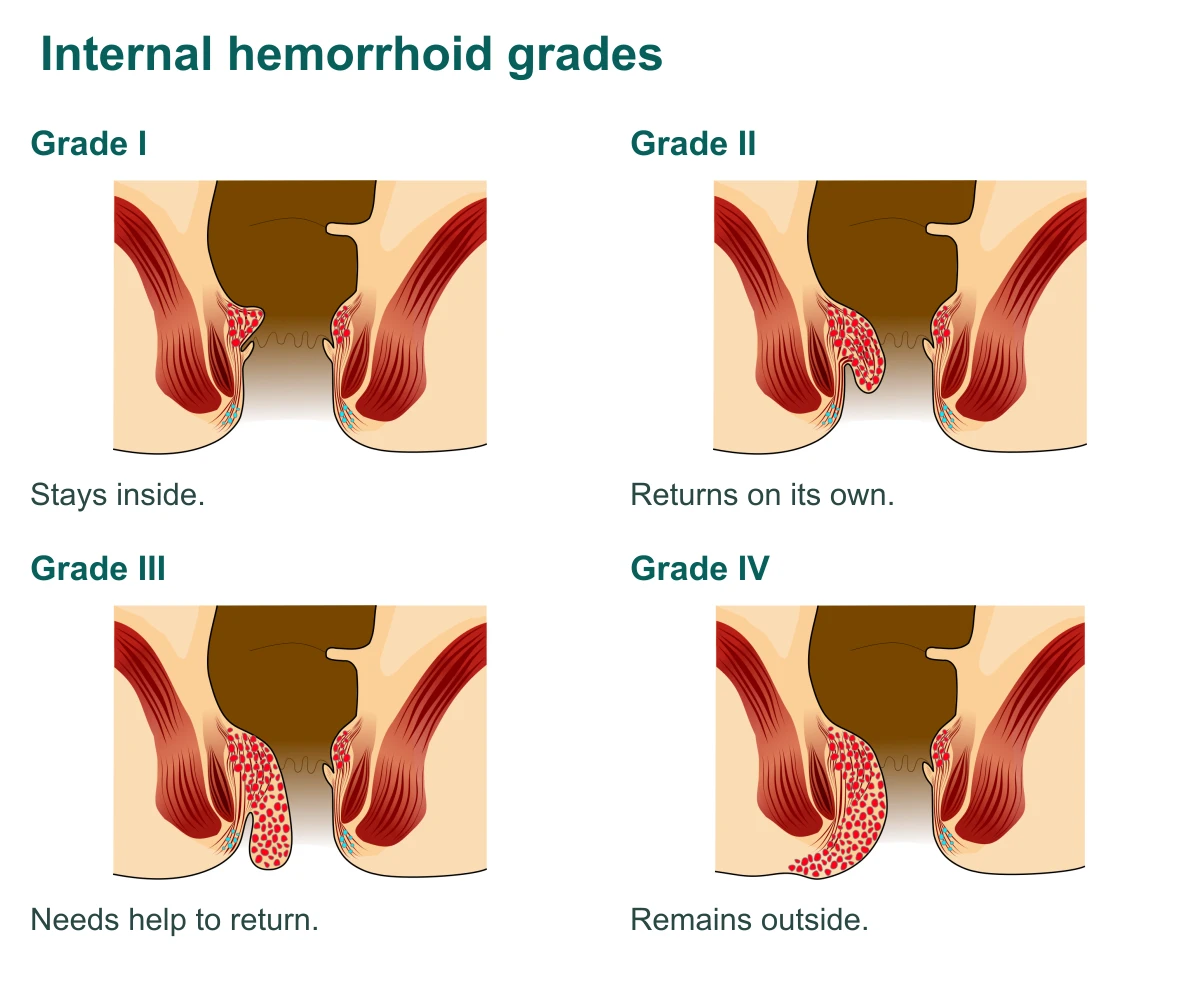
Before choosing laser, establish the diagnosis and extent of disease. For hemorrhoids, distinguish internal, external or combined disease and assess prolapse grade. For a fistula, identify the tract, its relationship to the sphincters, any branches and active infection that needs drainage first.
This assessment avoids two opposite mistakes: rejecting a useful technique through fear of surgery, or choosing laser solely because it sounds less invasive when another option suits the case better.
When is laser surgery worth considering?
When diagnosis, anatomy and treatment goals suit a laser technique, it may offer an attractive option for easier recovery or preservation of important structures. More extensive or complex disease, or features that reduce success, may favor another technique.
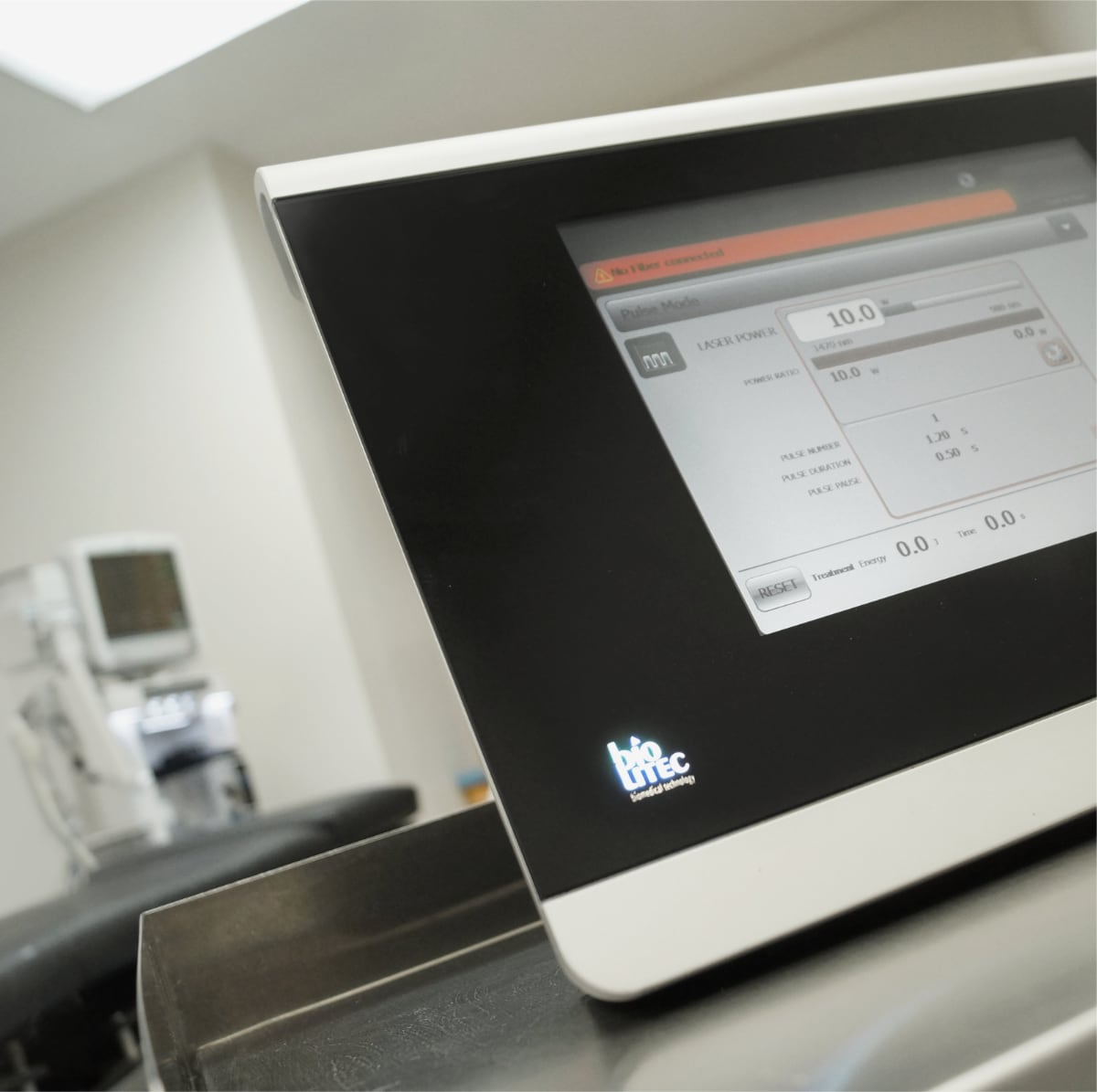
Dr. Eduardo Navarro uses laser surgery for selected colorectal indications. Assessment determines whether laser offers an advantage in your case and, if not, explains a more suitable alternative before a procedure is scheduled.
Clinical sources
Clinical sources consulted
This guide draws on information from medical and public health institutions to help you understand the topic.
- Review of trialsrecovery and durability of laser hemorrhoidoplasty (2026)View source
- Meta-analysislaser hemorrhoidoplasty versus LigaSure hemorrhoidectomy (2026)View source
- Meta-analysiseffectiveness and safety of FiLaC for anal fistulas (2025)View source
- ESCPguideline on diagnosis and treatment of cryptoglandular anal fistulas (2024)View source
- ClinicalTrials.govprospective comparison of LHP and hemorrhoidectomy in grade III disease (2026)View source
This content is informational and does not replace a medical assessment.