Initial guidance
Key points
Colorectal cancer screening is performed in people without symptoms using tests such as the fecal immunochemical test (FIT) and colonoscopy, among other options. When bleeding, anemia, persistent changes in bowel habits or other symptoms are already present, the aim changes: this is no longer routine screening but investigation of the cause.
Screening is not the same as diagnosis
Screening tests are used when a person has no symptoms. They seek early-stage cancer or precancerous changes, such as some polyps, before noticeable signs develop. When symptoms are present, the assessment is diagnostic and should focus on finding their cause.
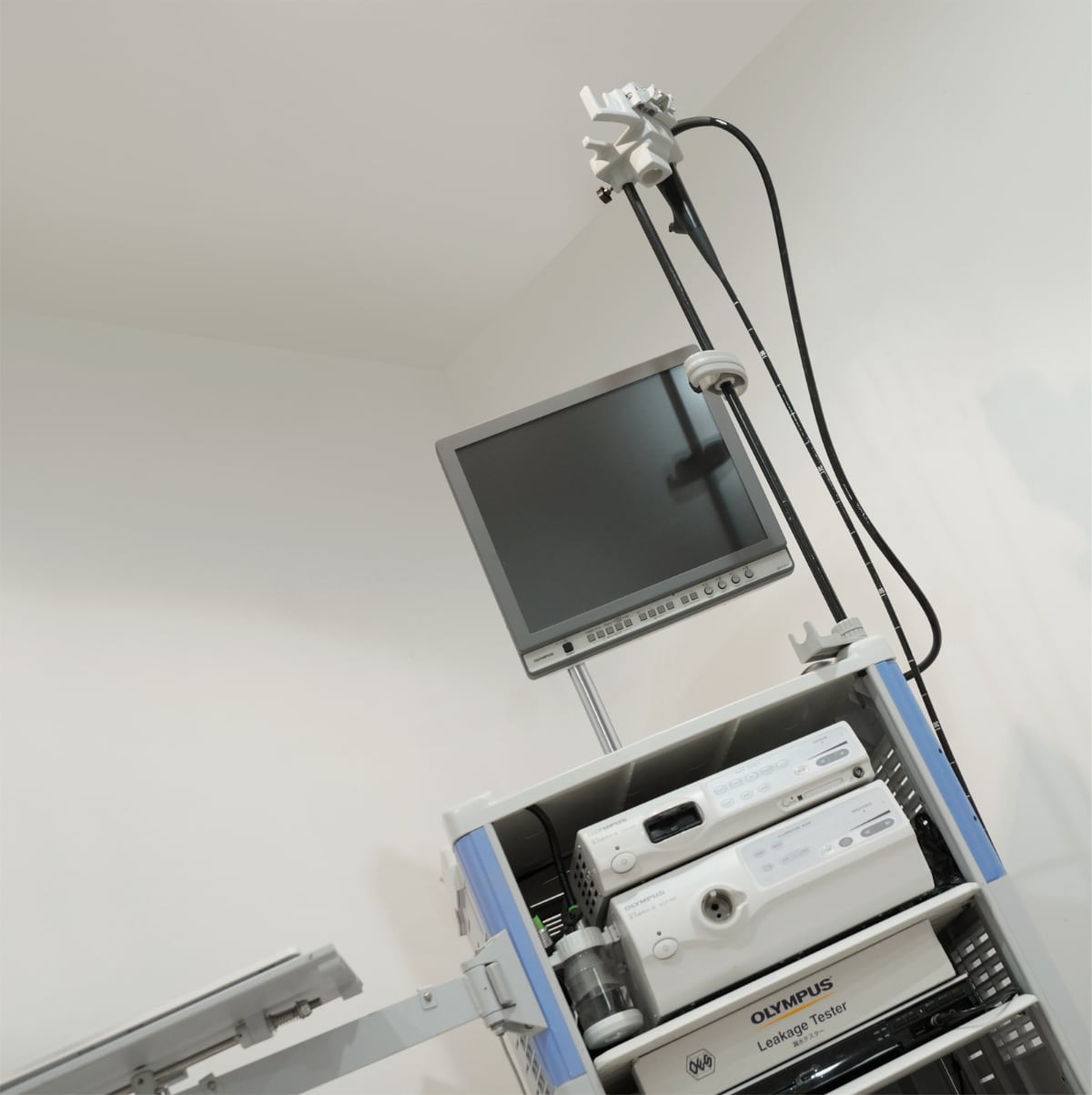
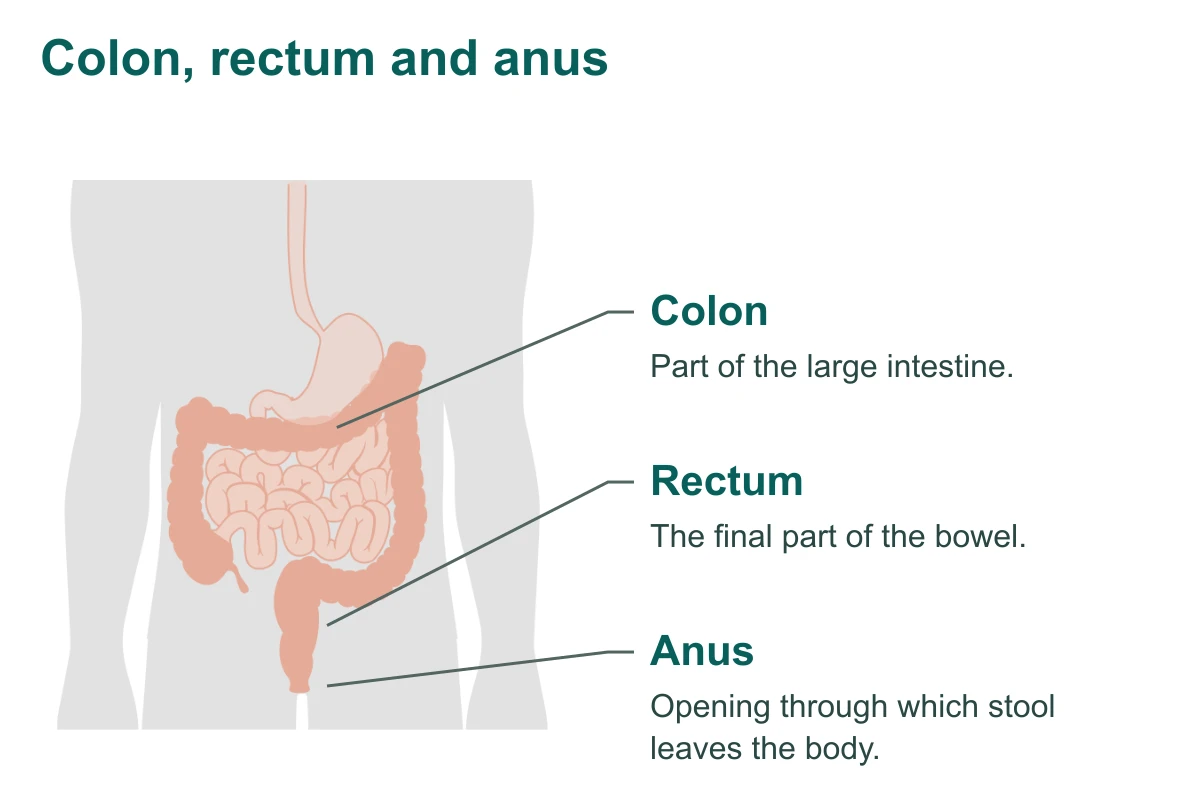
Colonoscopy allows direct examination of the colon and rectum and, where appropriate, removal of polyps during the procedure. FIT detects blood in stool that is not visible. A positive result does not itself mean cancer and requires further assessment, usually colonoscopy.
At what age should screening be discussed?
In Mexico, the Instituto Nacional de Cancerología screening program uses FIT in asymptomatic, average-risk people aged 45 to 74. The Secretaría de Salud has also recommended starting FIT screening at age 45. International recommendations, including those of the USPSTF, place average-risk screening between ages 45 and 75.
Age is not the only consideration. A personal or family history of colorectal cancer or polyps, inflammatory bowel disease and certain hereditary syndromes may require an earlier start or a different surveillance schedule.
- People aged 45 or over with no symptoms and average risk.
- People with close relatives who have colorectal cancer or a relevant history of polyps.
- People with inflammatory bowel disease or hereditary syndromes associated with increased risk.
- Anyone with persistent symptoms, regardless of age, who needs diagnostic evaluation rather than routine screening.
Symptoms that warrant assessment rather than self-diagnosis
Blood in the stool, persistent changes in bowel habits, ongoing abdominal pain or cramps, unexplained weight loss or iron-deficiency anemia can have different causes. None of these signs confirms colorectal cancer, but they should not automatically be attributed to hemorrhoids or another benign condition.
Colorectal cancer and polyps may cause no symptoms, particularly early on. A person without discomfort may therefore benefit from screening if they fall within the relevant age or risk group.
Information that helps choose the right test
Before choosing a test, review age, personal and family history, and previous test results. If you have symptoms, note when they began, whether they are constant or intermittent and how they have changed. This helps distinguish routine screening, higher-risk surveillance and diagnostic investigation.
No single test is suitable for everyone. The choice depends on risk level, each method's benefits and limitations and, where relevant, the need for follow-up colonoscopy.
Clinical sources
Clinical sources consulted
This guide draws on information from medical and public health institutions to help you understand the topic.
- INCanColorectal Cancer Screening ProgramView source
- Secretaría de SaludFIT for early detection of colon cancer (2026)View source
- NCItests to detect colorectal cancer and polypsView source
- CDCcolorectal cancer screening tests (2026)View source
This content is informational and does not replace a medical assessment.