Initial guidance
Key points
Irritable bowel syndrome (IBS) is a disorder of gut–brain interaction. It involves recurrent abdominal pain related to bowel movements and changes in stool frequency or form. Constipation, diarrhea or both may occur. It differs from inflammatory bowel disease and does not itself cause visible damage to the digestive tract.
Diagnosis begins with a pattern, not an isolated symptom
Rome IV criteria describe recurrent abdominal pain averaging at least one day per week over the last three months, associated with bowel movements or changes in stool frequency or form. Symptoms must have started at least six months earlier to meet these criteria.
Bloating, urgency or incomplete emptying may accompany IBS, but gas, diarrhea or constipation alone is not enough for the diagnosis. Understanding pain and bowel-habit changes helps establish the pattern.
Irritable bowel and colitis are not the same thing
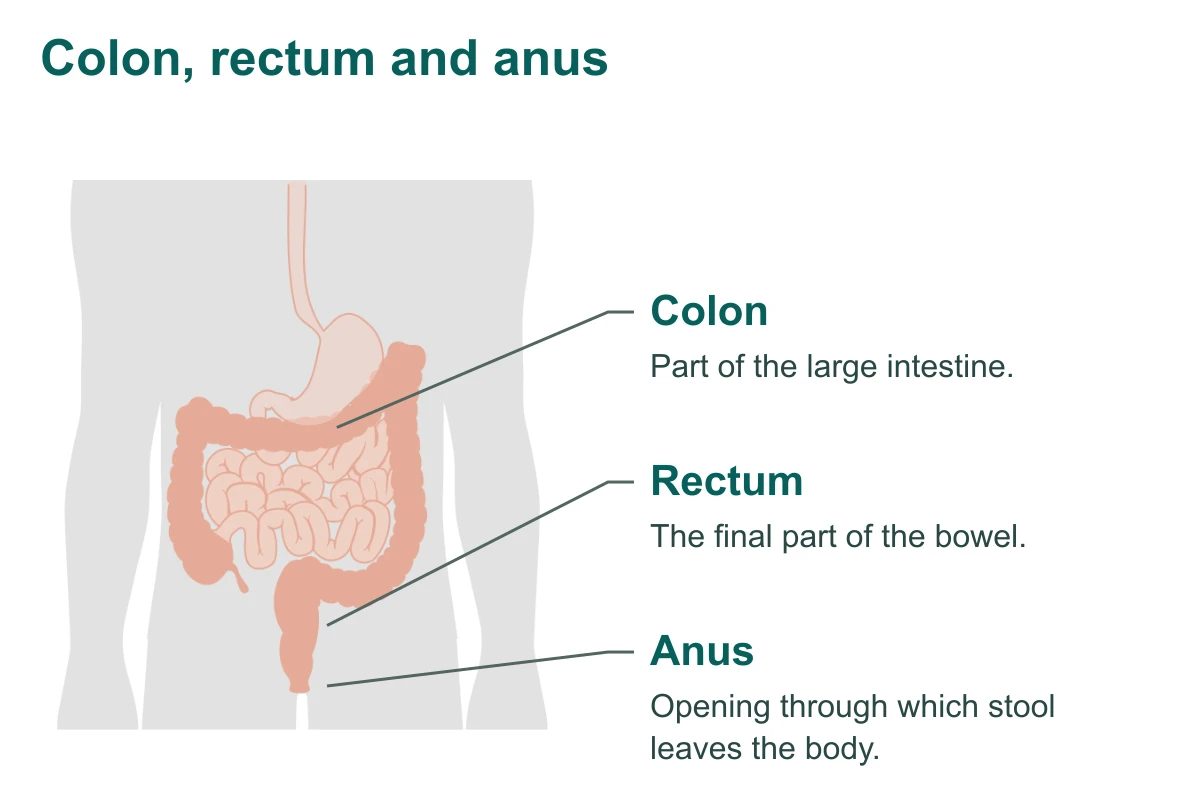
Irritable colon is commonly used to refer to IBS. Colitis, however, is often used imprecisely outside clinical settings and can mean different conditions. IBS is not ulcerative colitis or Crohn's disease, which are inflammatory bowel diseases.
This distinction matters if someone has long treated supposed colitis without a clear diagnosis. Mexico's Secretaría de Salud also notes frequent confusion between IBS and colitis and the need for individualized assessment.
Colonoscopy is not always needed to diagnose IBS
Current guidelines favor a positive diagnosis: recognize a compatible pattern, review history, examine the patient and order targeted informative tests. An extensive battery of tests proving everything else normal is not required before considering IBS.
For diarrhea-predominant symptoms, some guidelines recommend tests for celiac disease and intestinal inflammation in selected patients. Colonoscopy is reserved for situations where age, history, screening needs or warning signs require direct examination of the colon.
Treatment differs for constipation, diarrhea or a mixture
No single diet or medication works equally for everyone with IBS. Care depends on subtype, predominant symptoms, identified triggers and impact on daily life.
Options include structured dietary changes, medication for constipation, diarrhea or pain, and therapies targeting gut–brain interaction. A low-FODMAP diet may be used as a structured, limited trial, not as a permanent list of prohibited foods.
Some symptoms change the investigation
Rectal bleeding, black stools, anemia or unexplained weight loss are not typical features on which to assume IBS. A family history of colorectal cancer, inflammatory bowel disease or celiac disease, and new changes that do not fit the previous pattern, also matter.
In these situations, the aim is no longer simply controlling diarrhea, constipation or bloating. First establish the cause of the change and which investigations are appropriate.
If you have treated isolated episodes for months, review the whole pattern
Alternating constipation and diarrhea, trial-and-error food changes or separate treatment for each episode may help temporarily without explaining recurrence. A brief record of pain, stool frequency and consistency, bleeding and triggers can make consultation more useful.
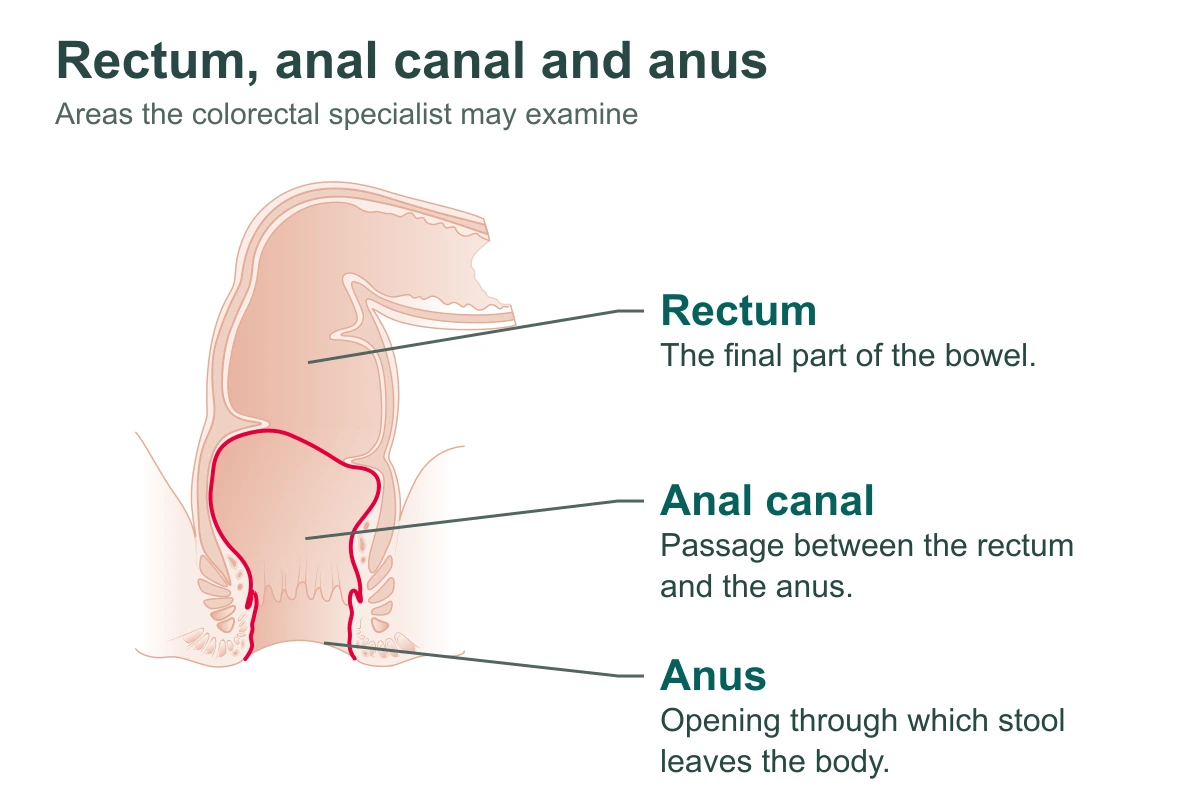
Dr. Eduardo Navarro assesses constipation and diarrhea in his colorectal practice. Persistent changes or accompanying bleeding, pain or anorectal symptoms can be assessed to determine whether they fit a functional disorder or need investigation of another colon, rectal or anal cause.
Clinical sources
Clinical sources consulted
This guide draws on information from medical and public health institutions to help you understand the topic.
- Rome FoundationRome IV criteria for irritable bowel syndromeView source
- NIDDKdiagnosis of irritable bowel syndromeView source
- American College of Gastroenterologyclinical guideline for IBS managementView source
- Secretaría de Saludirritable bowel syndrome and individualized assessment (2024)View source
This content is informational and does not replace a medical assessment.