Initial guidance
Key points
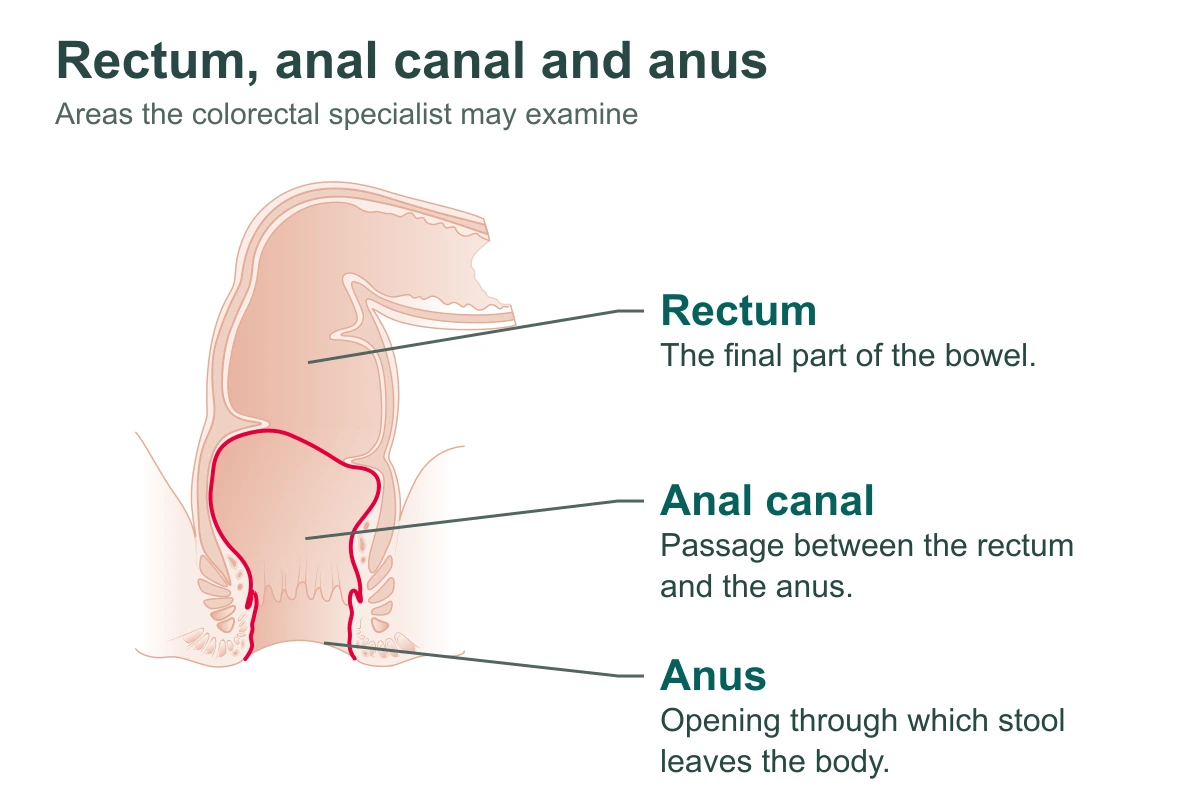
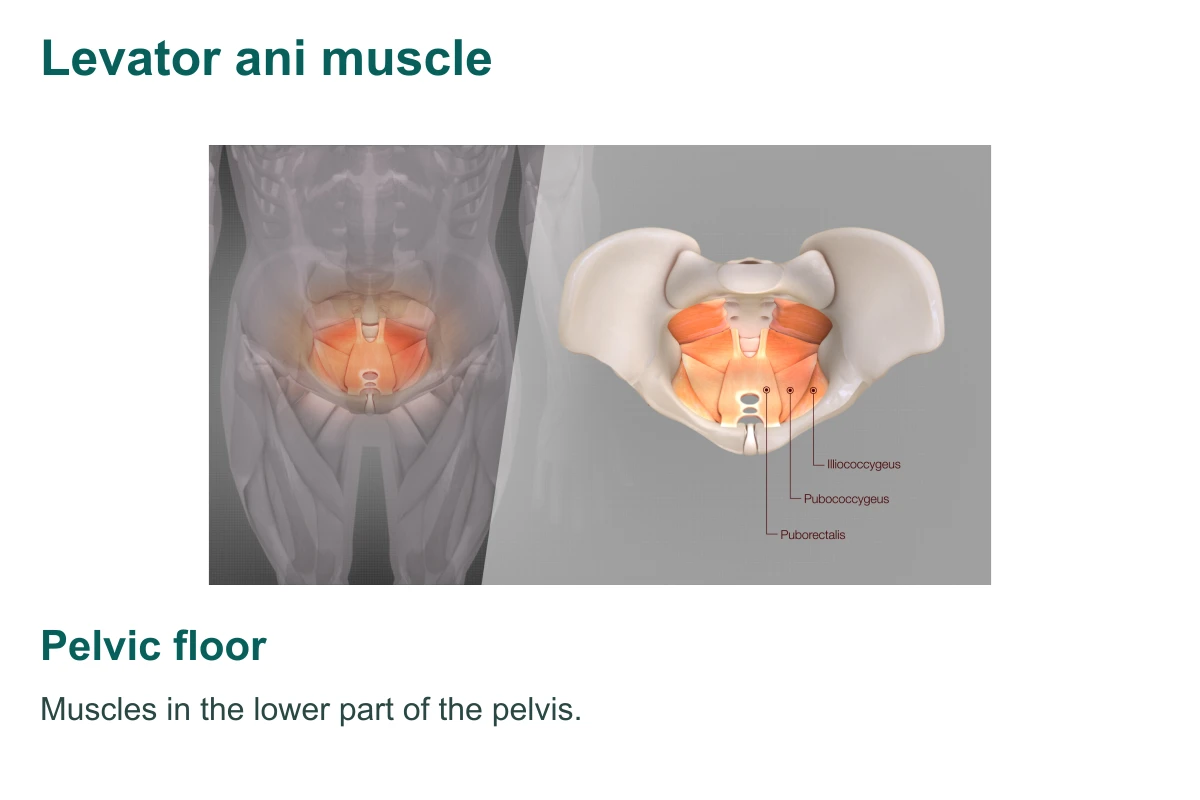
Levator ani syndrome is a form of functional anorectal pain related to the pelvic floor. It commonly causes a dull ache, deep pressure or heaviness inside the rectum, with episodes lasting 30 minutes or longer. Diagnosis combines the pain pattern, puborectalis tenderness on examination and exclusion of other anorectal or pelvic causes.
The pain pattern offers an important clue
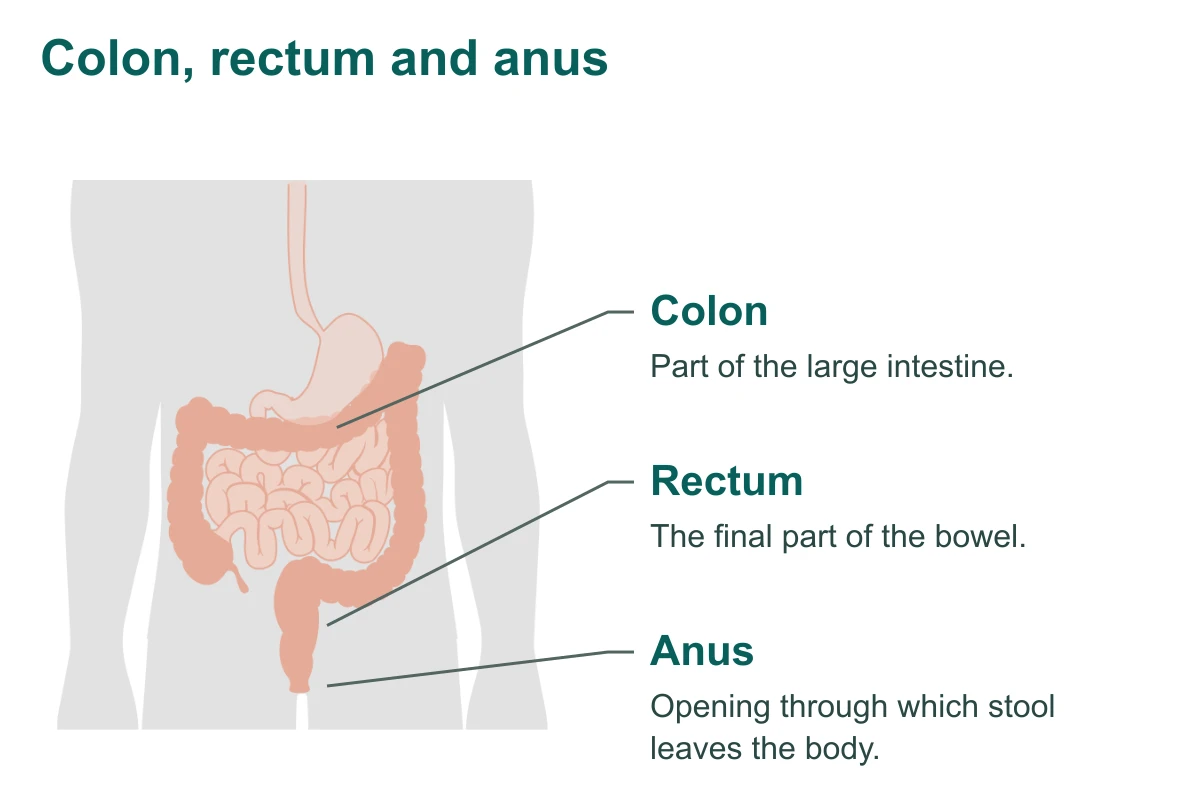
Pain often feels deeper than irritation at the anal opening. Pressure, heaviness or a sensation of something inside the rectum may become more noticeable after prolonged sitting. Episodes may last hours.
This differs from proctalgia fugax, which causes brief attacks of rectal pain. Rome IV criteria include episodes lasting at least 30 minutes and characteristic puborectalis tenderness on examination, with other causes of rectal pain excluded.
Identify the source before calling it levator ani syndrome
Fissures, thrombosed external hemorrhoids, abscesses, inflammation, coccyx problems and other pelvic conditions can cause pain in a similar area. Assessment first looks for structural or inflammatory causes before attributing pain to the pelvic floor.
If no lesion explains the symptoms, pelvic floor examination becomes more important. Reproducing discomfort by traction on the puborectalis is part of the diagnostic criteria and helps distinguish this syndrome from other functional anorectal pain.
Not all deep pain requires the same tests
Pain history and examination guide investigation. Relevant details include episode duration, changes when sitting or standing, difficulty passing stool and any bleeding, discharge, mass or other symptoms.
If findings suggest pelvic floor dysfunction, functional tests can assess pressure and coordination. In Mexico, Hospital General de México's anorectal physiology and posterior pelvic floor unit uses anorectal manometry and pelvic floor rehabilitation for functional disorders and chronic anorectal pain. Not everyone with pain needs manometry; examination determines what further information is needed.
Treatment aims to stop pelvic floor dysfunction sustaining pain
When levator ani syndrome is diagnosed, treatment focuses on better pelvic floor relaxation and coordination. Specialized physical therapy and biofeedback are two approaches used for this purpose.
Biofeedback has favorable comparative evidence versus electrogalvanic stimulation and massage, particularly when examination reproduces levator pain. Correctly identifying the pattern helps target the pelvic floor rather than repeating treatments for other causes.
Persistent pain does not mean you must get used to it
Levator ani syndrome may be confused for months with hemorrhoids, a fissure or bowel discomfort because there is not always an obvious external lesion. Self-treating each episode can leave the cause unresolved.
For recurrent deep rectal pressure or pain lasting more than half an hour or affecting sitting, bowel movements or daily activities, colorectal assessment first checks anorectal causes that need exclusion, then guides care if the pattern fits pelvic floor dysfunction.
Clinical sources
Clinical sources consulted
This guide draws on information from medical and public health institutions to help you understand the topic.
- Rome FoundationRome IV criteria for levator ani syndromeView source
- ASCRSassessment of pelvic floor dysfunctionView source
- Gastroenterologyrandomized trial of biofeedback for levator ani syndromeView source
- Cleveland Clinic Journal of Medicinereview of chronic anal painView source
- Hospital General de MéxicoAnorectal Physiology and Posterior Pelvic Floor UnitView source
This content is informational and does not replace a medical assessment.